
Last updated November 20, 2026
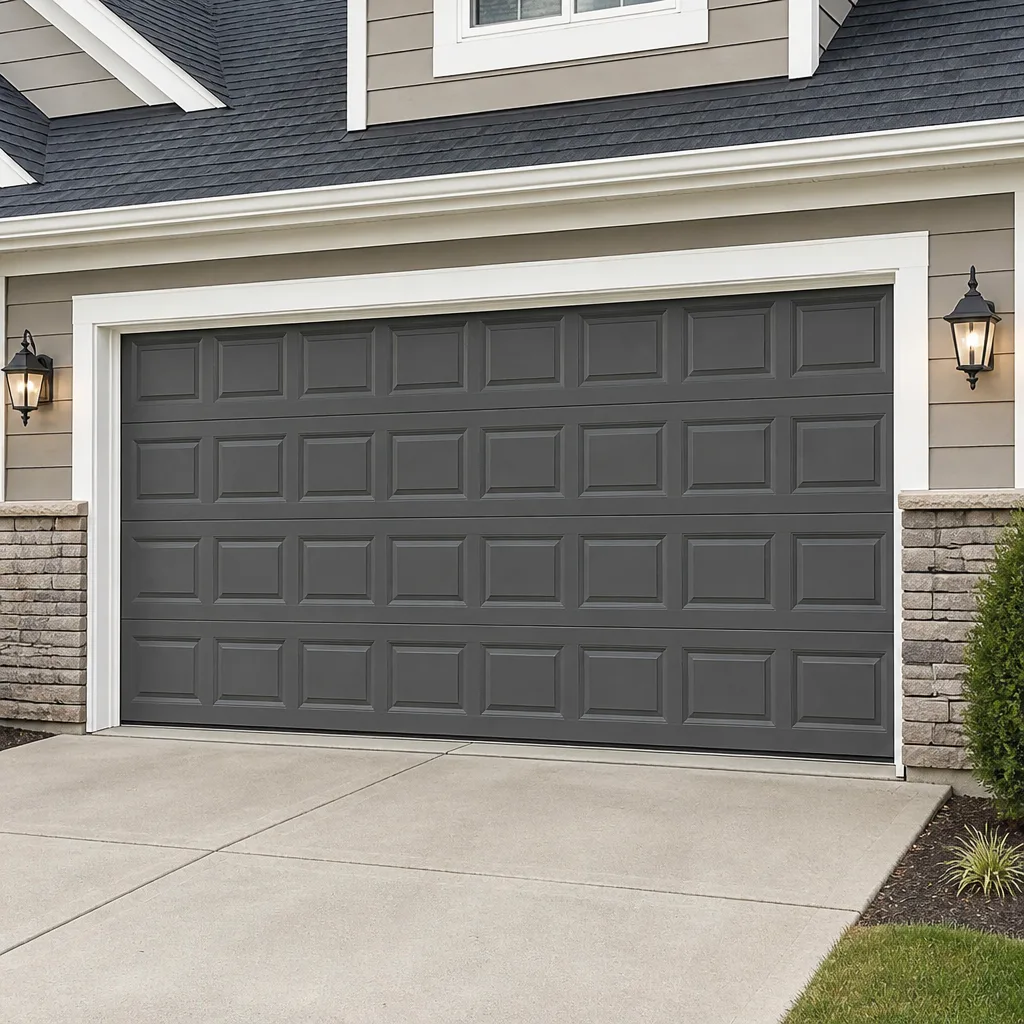 Raised-panel steel
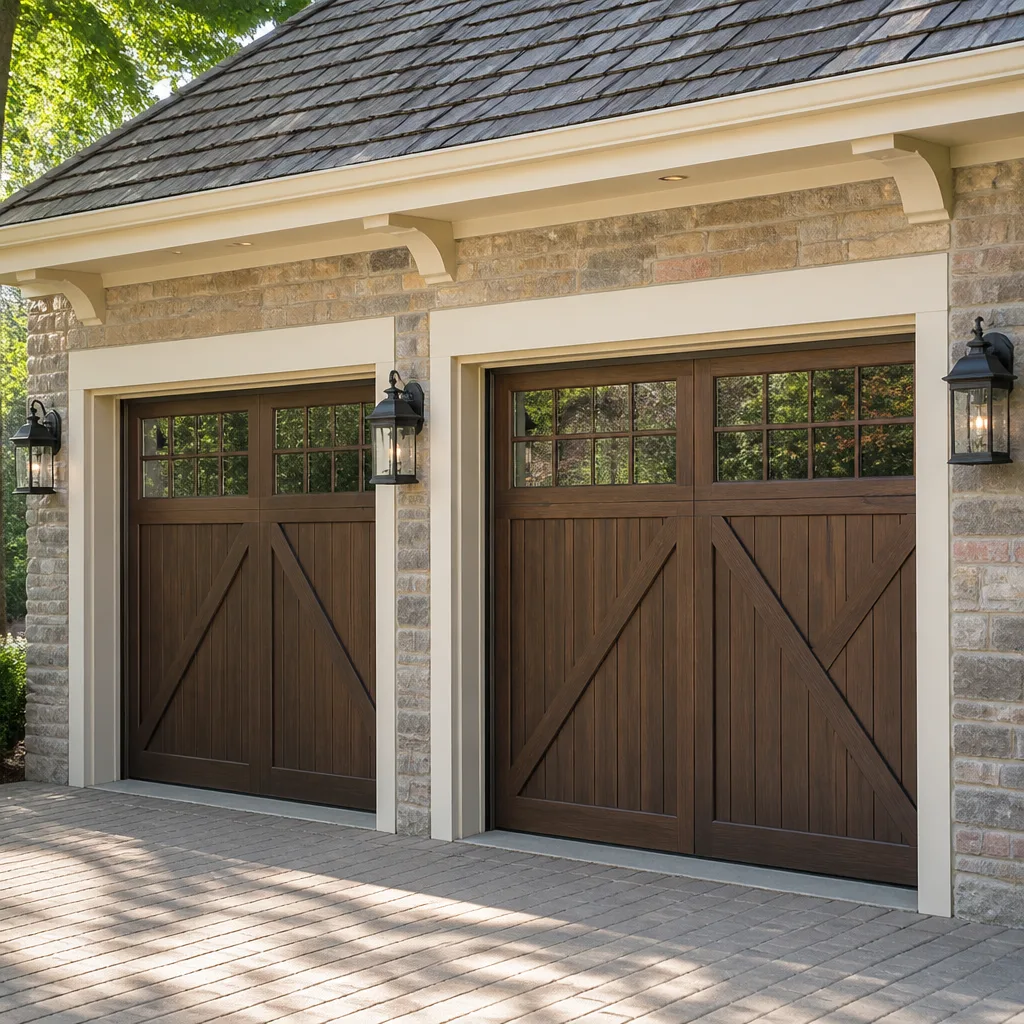 Carriage house
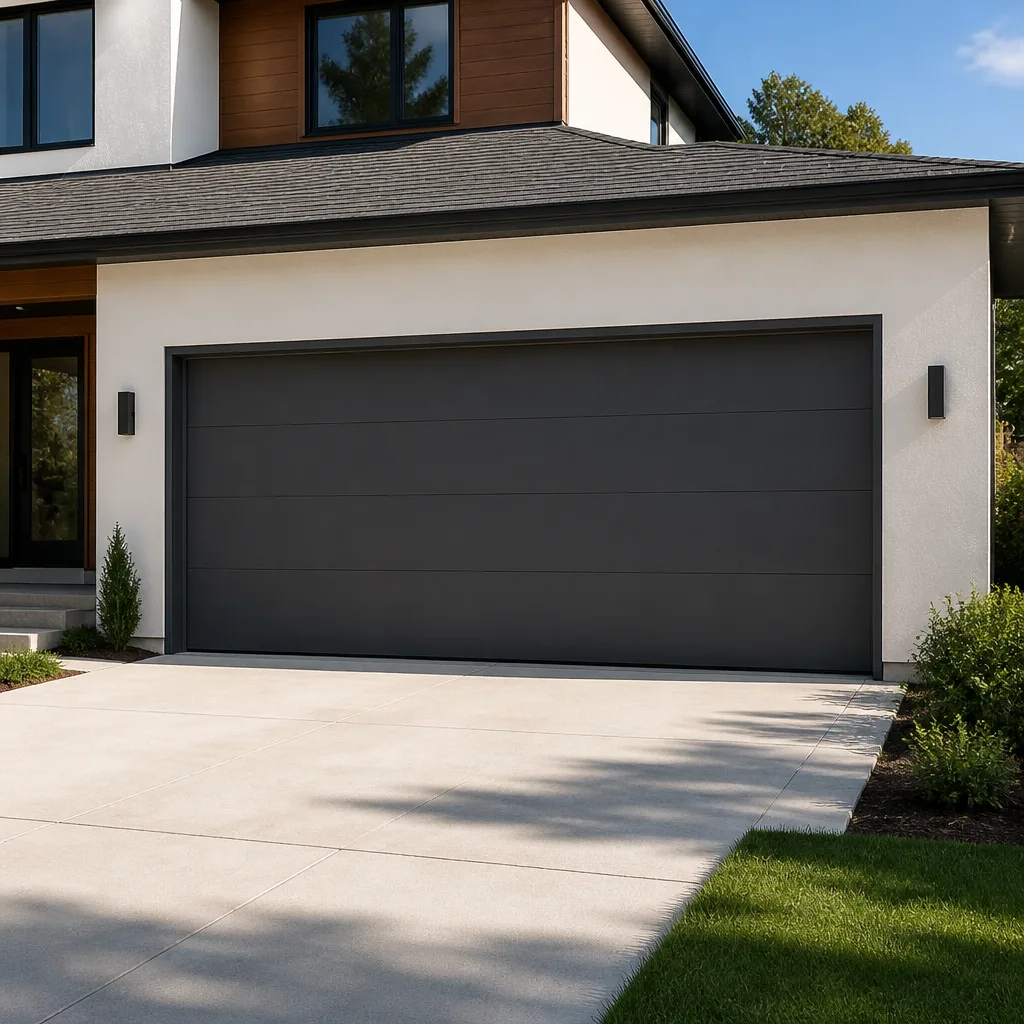 Modern flush
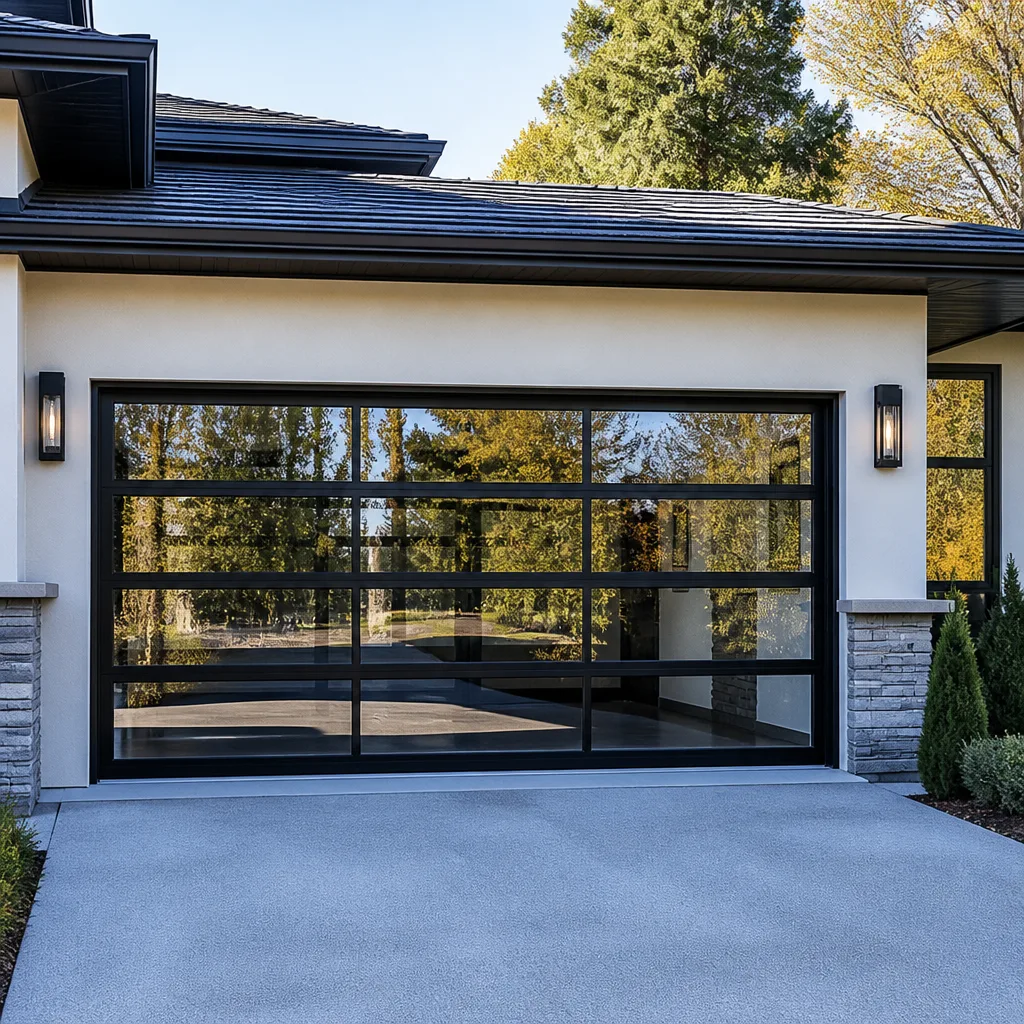 Full-view glass
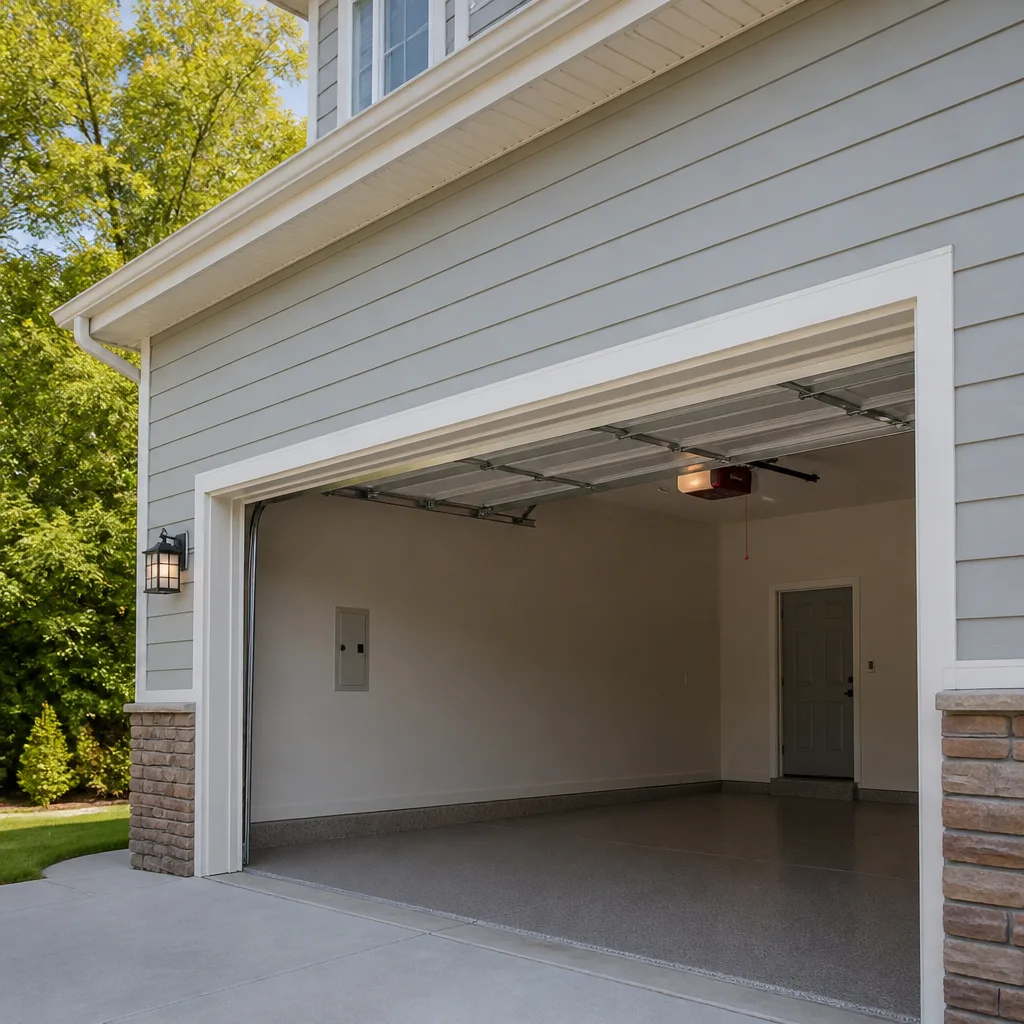 LiftMaster openers
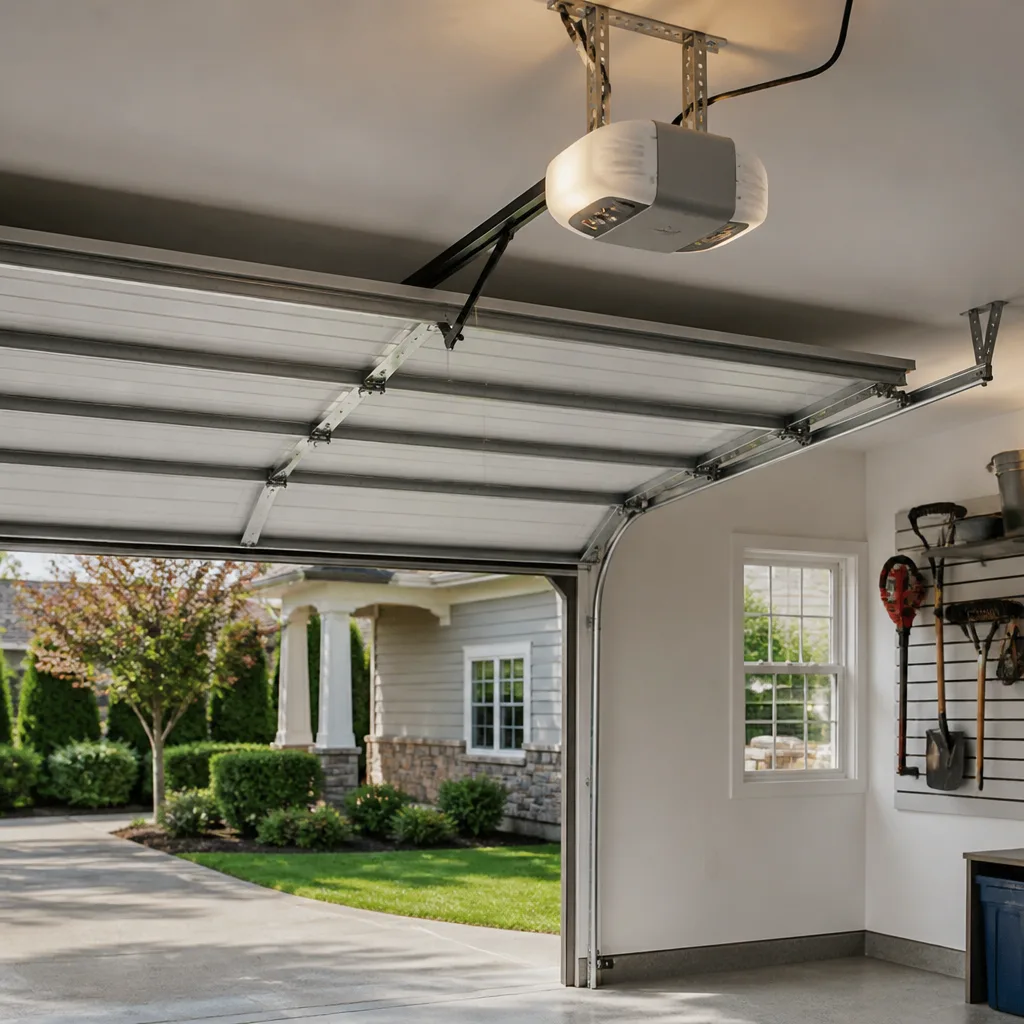 Chamberlain openers
Full 25-point door and opener safety check with every visit - springs, cables, rollers, tracks, and your LiftMaster or Chamberlain opener included
You get a price before we start. It does not change when the pro arrives.
Get your free estimateGarage Door Permits, Codes & Inspections in Collinwood, OH: What You Need to Know
Most Collinwood homeowners assume a garage door swap is permit-free, and for a straight like-for-like replacement it usually is. The confusion starts the moment the job stops being like-for-like. Change the opening size, add a circuit for a new opener, or modify the header and you’ve crossed into permit territory. In our experience, that threshold is the single most overlooked detail in a garage door project, and it’s the one most contractors never mention upfront. Knowing where the line sits protects you at resale, keeps your insurer on your side, and saves you from a headache years later. This guide walks through the actual scenarios that trigger a permit in Collinwood, what the code says about structural openings, how to confirm permit status with the city, and what happens at inspection.
Quick Answer
In Collinwood, a like-for-like garage door replacement usually does not require a permit, but any change to the opening size, header, structural framing, or the addition of a new opener circuit does. Permits are issued by the City of Cleveland’s building department, and inspections focus on structural integrity, fire separation, and electrical safety. When in doubt, confirm with the city before work starts and keep the paperwork for resale.
Styles & brands we work with
- Raised-panel steel
- Carriage house
- Modern flush
- Full-view glass
- LiftMaster openers
- Chamberlain openers
Table of Contents
- What Triggers a Garage Door Permit in Collinwood?
- Like-for-Like Replacement vs. Structural Change
- What Ohio’s Residential Building Code Says About Garage Openings
- How to Confirm Permit Status Before Work Starts
- What an Inspection Covers and What to Have Ready
- How Unpermitted Work Affects Insurance Claims
- Collinwood Climate and Housing: Why It Matters Here
- Opener Circuits and Electrical Permits
What Triggers a Garage Door Permit in Collinwood?
A garage door permit in Collinwood becomes necessary when work affects the structure of the opening, the electrical system, or the fire separation between the garage and the living space. A simple door panel and torsion spring replacement does not. The trigger isn’t the door itself; it’s what’s around it.
Here are the scenarios that typically require a permit in the City of Cleveland and its Collinwood neighborhood:
- Changing the opening size. Widening or raising a garage opening means cutting into the header and reframing. That’s structural work and always permitted.
- Modifying or replacing the header. The header is the beam that carries load above the opening. Any modification or replacement requires a structural review.
- Adding a new opener circuit. New electrical wiring from the panel to the opener location requires an electrical permit and inspection.
- Converting a carport to an enclosed garage. Adding walls, a door, and a slab changes the structure and typically requires a full permit set.
- Changing door type when the track and hardware change. A standard sectional door swapping to a different style with different track geometry can affect the opening’s framing. Confirm with the city if the track repositioning requires any structural attachment.
- Replacing a door on a garage attached to the house with fire separation. Fire-rated assemblies between the garage and living space sometimes need verification if the framing is altered.
Everything else, including spring replacement, panel swaps, opener repair, and re-hanging a door on the existing track, is routine service work. No permit. We work on these daily, and in a Collinwood home the most frequent call is still a broken torsion spring, not a permit question. For that kind of service, you don’t need city paperwork. You need a technician who knows the brand. For routine work, see garage door repair.
Like-for-Like Replacement vs. Structural Change
The phrase “like-for-like” gets thrown around loosely. In permit terms it has a narrow meaning: same opening dimensions, same header, same track attachment points, same electrical location. If all of that stays exactly the same, you can usually install a new door without a permit in Collinwood. If any of it changes, you can’t.
Here’s how to think about the difference in practice:
Like-for-like (usually no permit)
- Removing an existing door and installing a new one in the same opening.
- Replacing the same track configuration with the same track configuration.
- Swapping an old opener for a new one in the same location, wired to the same circuit.
- Replacing a torsion spring, cable, roller, or hinge.
- Installing a new door supplied by a manufacturer such as Clopay or Amarr that matches the original opening dimensions.
Structural change (permit required)
- Widening the opening by a foot or more to fit a double door in a single bay.
- Raising the header to fit a taller door.
- Adding a new opener circuit from the panel because the original garage had no power.
- Reframing or replacing any part of the header.
- Changing from a manual door to a powered door where the wiring doesn’t exist.
The distinction matters most for a full garage door installation. If you’re upgrading from a single to a double, or from a low-headroom door to a high-lift setup, the job likely requires a permit and a structural review. Ask the installer about it before signing anything. A reputable technician will tell you when a permit applies and when it doesn’t, rather than brushing the question aside.
What Ohio’s Residential Building Code Says About Garage Openings
Ohio’s residential building code treats the garage door opening as a structural and life-safety element, not just a convenience feature. The code cares about three things: how the load above the opening is carried, how fires are separated from the living space, and how the door behaves if something fails. Garage door work that touches any of those three falls under code review.
On the structural side, the code requires the header above a garage opening to be sized to carry the load above it, which is why widening an opening always requires a structural permit. You can’t simply cut a bigger hole and reattach the existing beam. On the fire separation side, a garage attached to a house is required to have a fire-rated wall and, in most cases, a self-closing or self-latching door between the garage and the living space. That’s not the overhead door; it’s the pedestrian door. But it’s still part of the garage envelope, and it’s the one Collinwood homeowners most often forget.
On life safety, the code references the door’s ability to resist release under load and requires openers to have an entrapment protection system. Modern openers from LiftMaster and Chamberlain include this as a standard feature; older openers frequently don’t, which is one reason opener replacement is often worth doing alongside a door upgrade.
The code doesn’t set a specific timeline for when you must pull a permit, and it doesn’t spell out every Collinwood scenario. When in doubt, the answer is to ask the City of Cleveland’s building department directly. They’ll tell you whether your specific project needs a permit, and if it does, they’ll tell you what drawings and fees are involved.
How to Confirm Permit Status Before Work Starts
Confirming permit status before work begins is straightforward, and it’s worth doing on every project that touches structure or electrical. Here are the steps we recommend:
- Call the City of Cleveland’s building department and describe the scope in plain language. Say exactly what’s changing: opening size, header, track, electrical. Don’t say “replace a garage door” if you’re also widening the opening. The scope drives the answer.
- Ask whether the work is classified as a repair or an alteration. Repairs typically don’t need a permit; alterations usually do. Get the answer in writing or note the name of the person you spoke with.
- If a permit is required, ask what the submittal package needs. Usually a simple drawing, a description of the work, and the contractor’s information. For a structural change, an engineer’s stamp may be required.
- Check the contractor’s record. Ask the city whether the contractor pulling your permit is registered to work in Collinwood, and ask the contractor for proof of insurance. It’s a reasonable request and any reputable outfit will provide it.
- Confirm the inspection sequence. Most structural permits require an inspection before the door is permanently hung and a final inspection after. Ask which inspection happens when so you can plan around it.
- Keep a copy of the permit and the inspection sign-off. Store it with your home records. It’s a resale document and it matters if you ever file an insurance claim.
If you’re ever unsure whether a project crosses the line, call us at (844) 919-4174. We’ll walk through the scope with you and tell you whether the city is likely to want a permit. We answer 24/7. Fast dispatch from 7am to 7pm, Sunday through Friday.
What an Inspection Covers and What to Have Ready
A garage door inspection tied to a permit focuses on the structural, electrical, and safety elements of the installation, not on the aesthetics of the door. The inspector is there to confirm the opening is sound, the header is properly supported, the electrical work is safe, and any required fire separation is intact.
What the inspector will typically look at:
- The header and framing around the opening, to confirm the load path is intact and matches the approved plans.
- The track attachment points and how they’re secured to the framing.
- The electrical circuit for the opener, including the disconnect and any new wiring.
- The entrapment protection system on the opener, including the photo-eye alignment.
- The fire separation between the garage and the living space if the work touched the shared wall.
- Labels and manufacturer markings on the door and opener that confirm the installed products match the approved submittal.
What the technician needs to have ready when the inspector arrives:
- The approved permit and any stamped drawings on site.
- The manufacturer’s installation instructions for the door and opener, kept accessible.
- The opener’s model and serial information. If you’ve installed a LiftMaster or Genie opener, the inspector may check that the entrapment protection matches the model’s documentation.
- A functioning hand test on the door balance and a working photo-eye test.
- The contractor’s registration and insurance certificate, if the city requires it at the inspection.
An inspection is not a crisis. When the work was done to the approved scope and the paperwork is in order, it’s usually a short visit. The problems come from missing paperwork, not from the door itself.
How Unpermitted Work Affects Insurance Claims
Unpermitted garage door work can complicate a homeowner’s insurance claim if a door-related incident occurs, especially when the work involved structure or electrical. Insurance policies require that improvements be done to code, and an adjuster investigating a claim will ask for permit records when the loss involves a modified opening, a new circuit, or a structural change.
The scenarios worth understanding:
- Water intrusion after a header change. If the header was modified without a permit and later leaks, the insurer may question whether the work was done to code and whether coverage applies to the resulting damage.
- Electrical fire at a new opener circuit. An unpermitted circuit can become the center of a coverage dispute, regardless of whether the wiring itself was the cause.
- Door failure on a modified opening. If the opening was widened without engineering and the door later fails, the insurer may treat the loss as a maintenance or construction defect issue rather than a covered event.
- Resale disclosure. When you sell a Collinwood home, a buyer’s inspector will note unpermitted work. “The contractor said it was fine” is not a defense a buyer’s attorney will accept.
None of this is a reason to avoid a garage door upgrade. It’s a reason to confirm the permit status before the work begins and keep the record. A permitted, inspected installation is a clean document. That’s the version you want in your file.
Collinwood Climate and Housing: Why It Matters Here
Collinwood sits on Cleveland’s northeast side, close enough to Lake Erie that the lake effect shapes the seasons. Winters bring repeated freeze-thaw cycles, which is hard on torsion springs, cables, and the wood framing around older garage openings. That framing is worth watching. When a door is struggling in cold weather, the cause is often a spring that’s lost tension, not a structural problem. But once the wood around the opening softens from moisture, the header itself can become the issue, and that’s when a permit conversation starts.
The housing stock in Collinwood is mostly older, with a lot of detached garages and a fair number of shared driveways. That matters because older garages frequently have non-standard opening sizes. A “standard” replacement door may not fit without widening the opening, and widening means a permit. If your Collinwood garage was built decades ago and the opening has settled, plan for a measure before you commit to a door. The measure tells you whether a like-for-like swap will work or whether you’re looking at structural work.
Older Collinwood garages also have older electrical. A door from the 1960s or 1970s was often installed with a simple manual lift and later retrofitted with an opener. That retrofit sometimes skipped the electrical permit. If you’re replacing the opener, ask whether the circuit was ever permitted. If it wasn’t, a fresh permit for the new opener is a reasonable move.
Opener Circuits and Electrical Permits
A garage door opener is an electrical appliance, and adding a new opener circuit falls under electrical permit rules in the City of Cleveland. That means when a new circuit is run from the panel to the opener location, it requires a permit and an electrical inspection. When an existing circuit is reused in the same location, it usually doesn’t.
Where homeowners get into trouble is the retrofit case. A grinder or handyman runs a circuit out to the garage on a Saturday, hooks up a new Chamberlain opener, and moves on. No permit, no inspection. That’s fine until the circuit becomes part of a claim or the house is sold.
The practical rule we recommend: if the opener is going in the same spot on the same circuit, that’s a swap and doesn’t usually need a permit. If the opener is going somewhere new, or the panel needs a new breaker, plan for an electrical permit. Our garage door opener repair team runs into this regularly in Collinwood, and we’ll tell you what’s likely to be required before we start.
Common Mistakes to Avoid
- Assuming all garage door work is permit-free because it’s “just a door.” Like-for-like replacements are usually exempt; anything touching the header, opening size, or a new opener circuit usually isn’t. The question isn’t about the door, it’s about everything around it.
- Taking the contractor’s word as permit truth. Ask the city directly. A generalist may not know Collinwood’s requirements, and a specialist who does will tell you to call the city anyway.
- Widening the opening without a structural review. Cutting a bigger hole to fit a double door is the classic Collinwood garage mistake. It removes the load path above the opening and it’s exactly the work that shows up in a resale inspection.
- Skipping the electrical permit on an opener retrofit. Reusing the existing circuit is fine; running a new one without a permit is not. Inspectors catch this and insurers ask about it.
- Leaving no paper trail. Keep the permit number, the inspection sign-off, and the contractor’s paperwork together with your house documents. It takes five minutes and it matters for years.
- Ignoring code compliance on the pedestrian door. If you’re touching the garage envelope, the fire-rated door between the garage and the house matters as much as the overhead door. It’s the one most homeowners forget.
- Waiting until resale to ask. A permit pulled after the fact costs more and involves a lot more conversation with the city than one pulled before the work starts.
See the difference
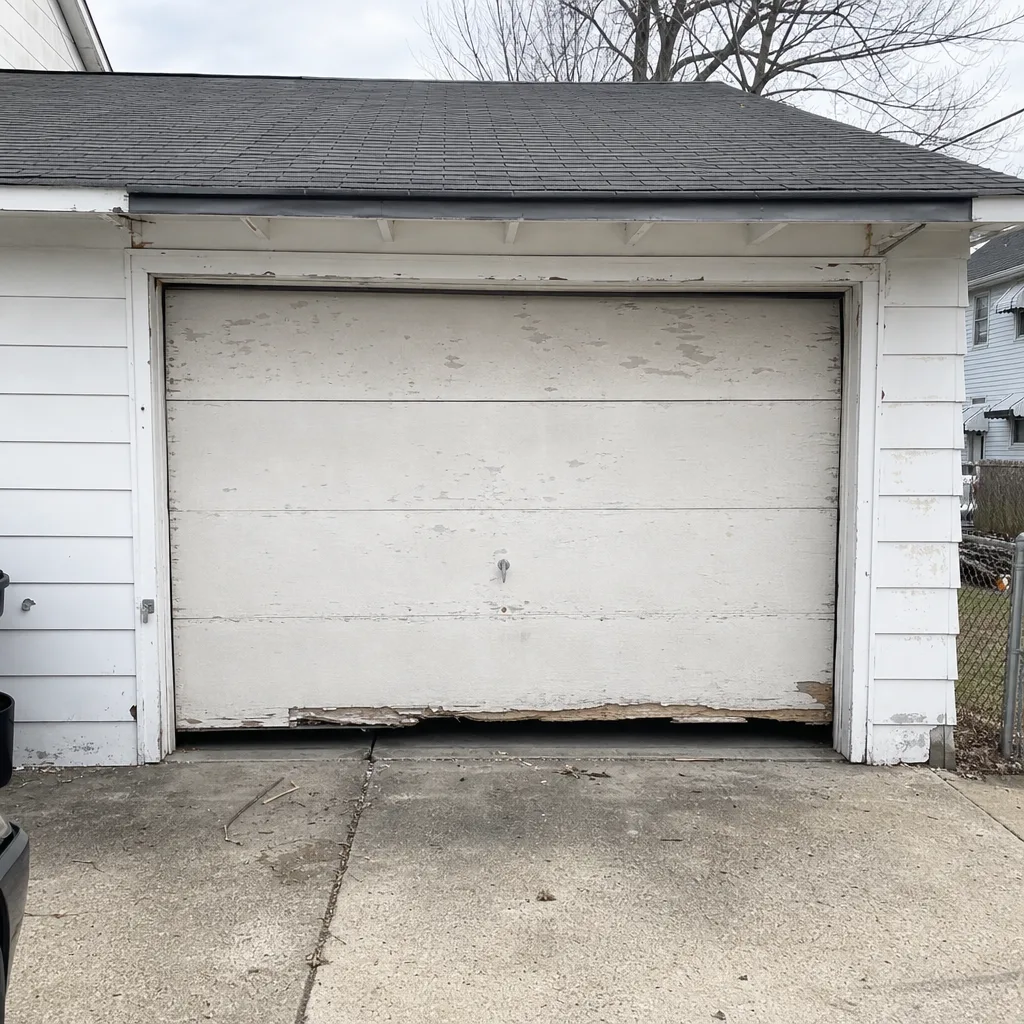 Before
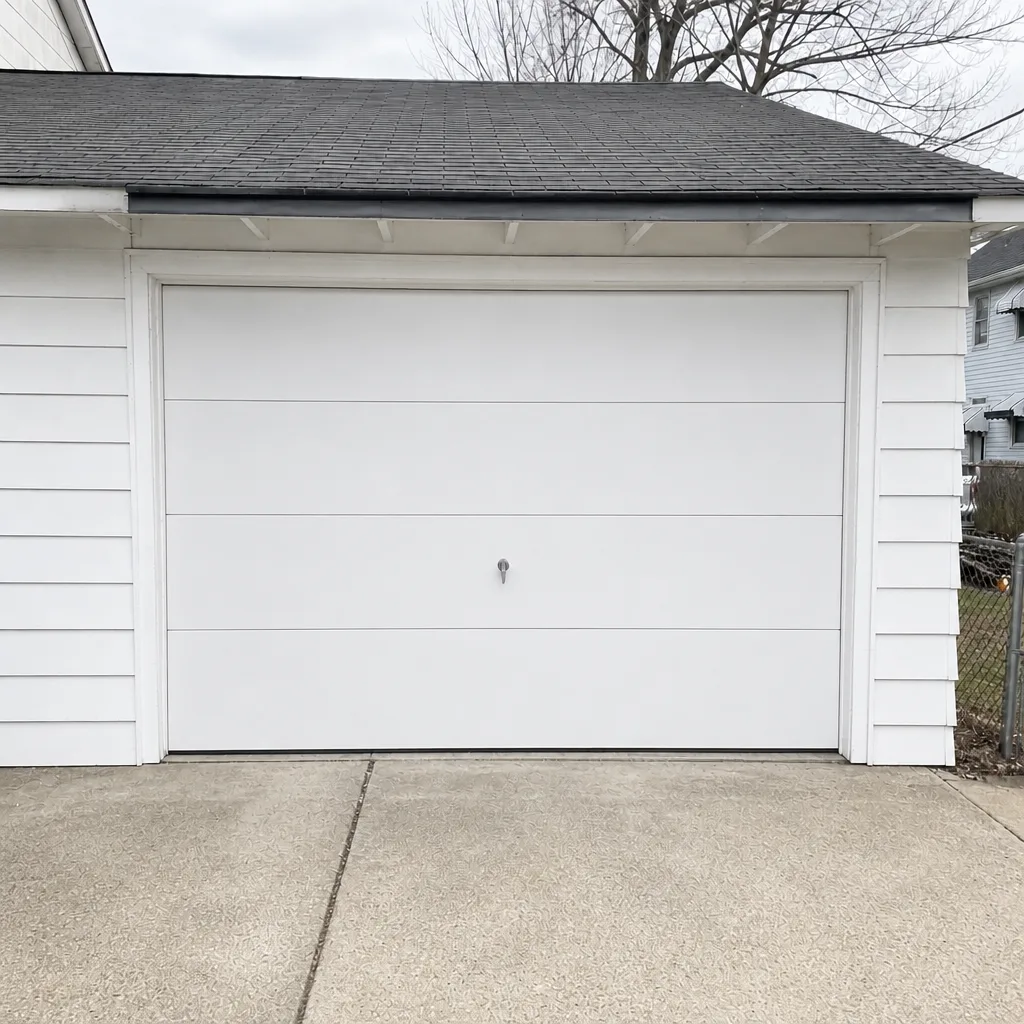 After
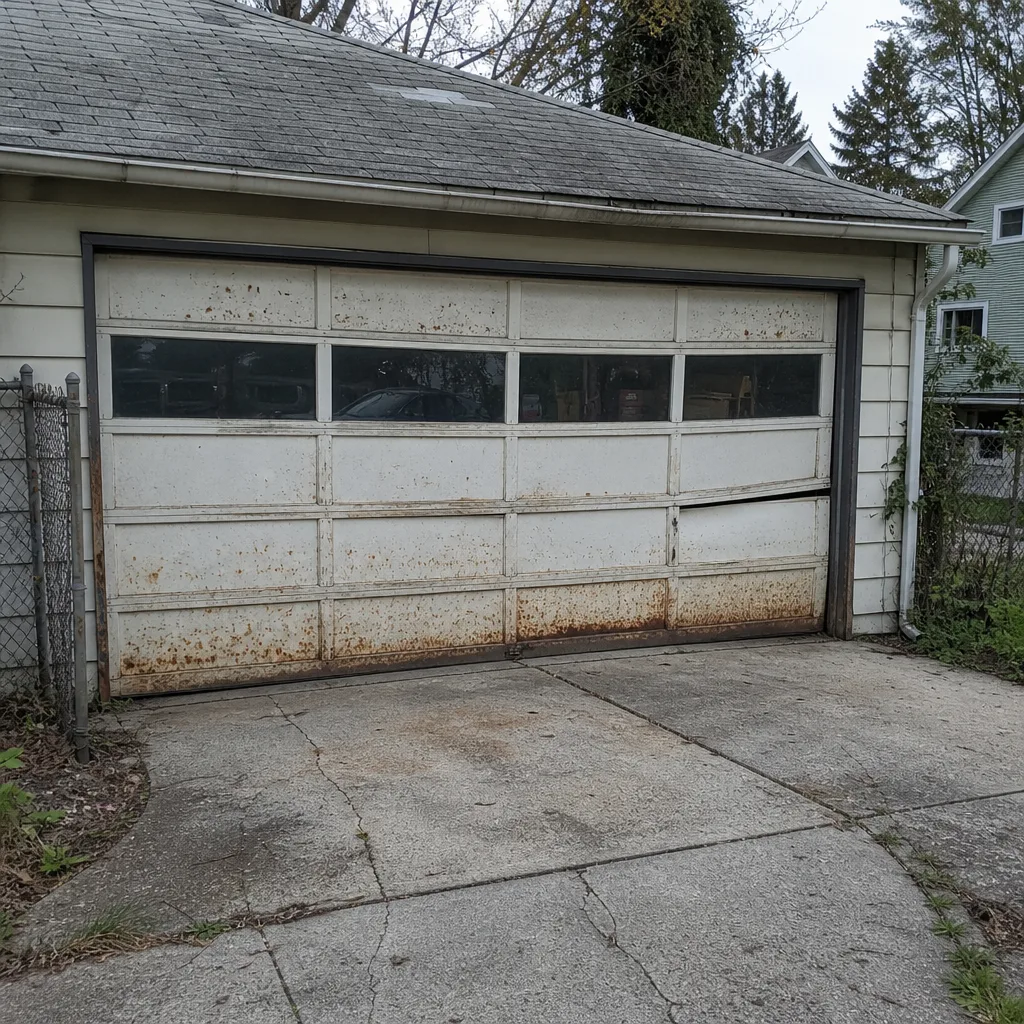 Before
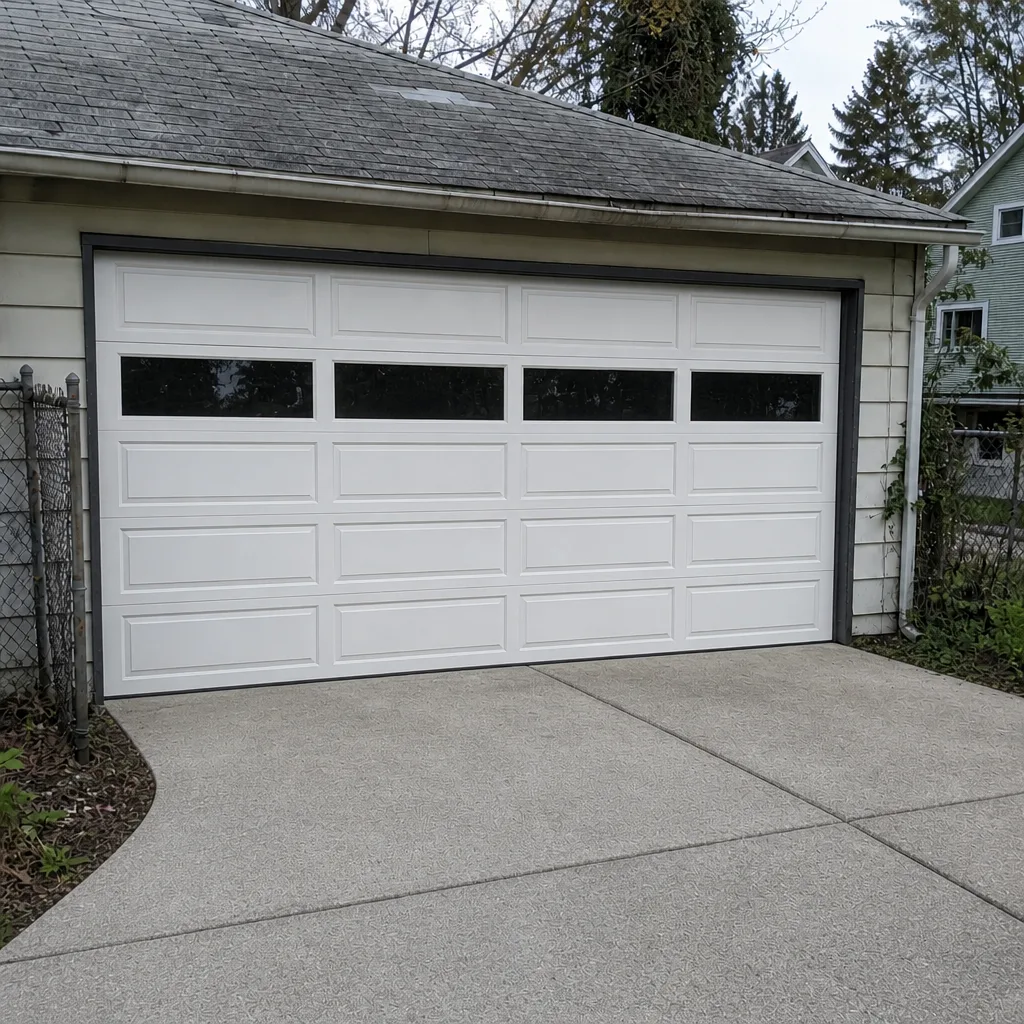 After
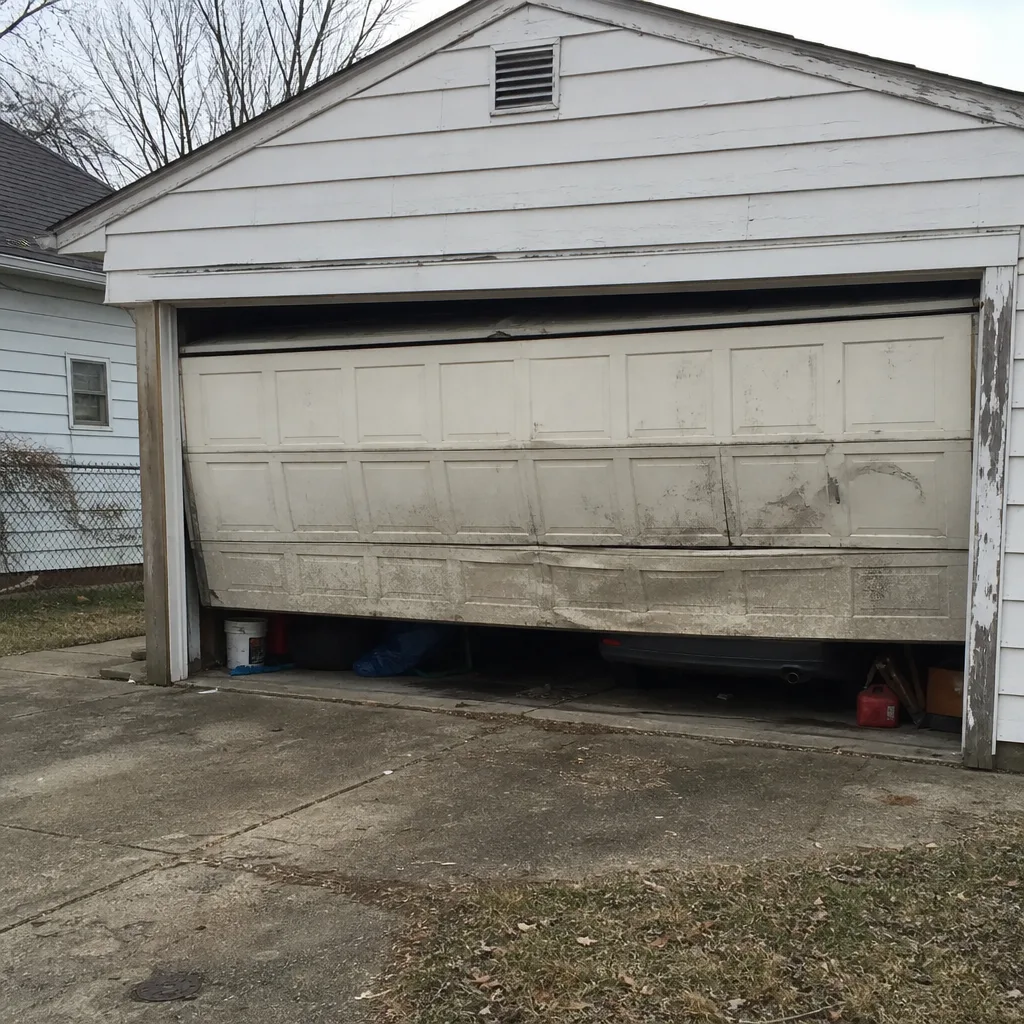 Before
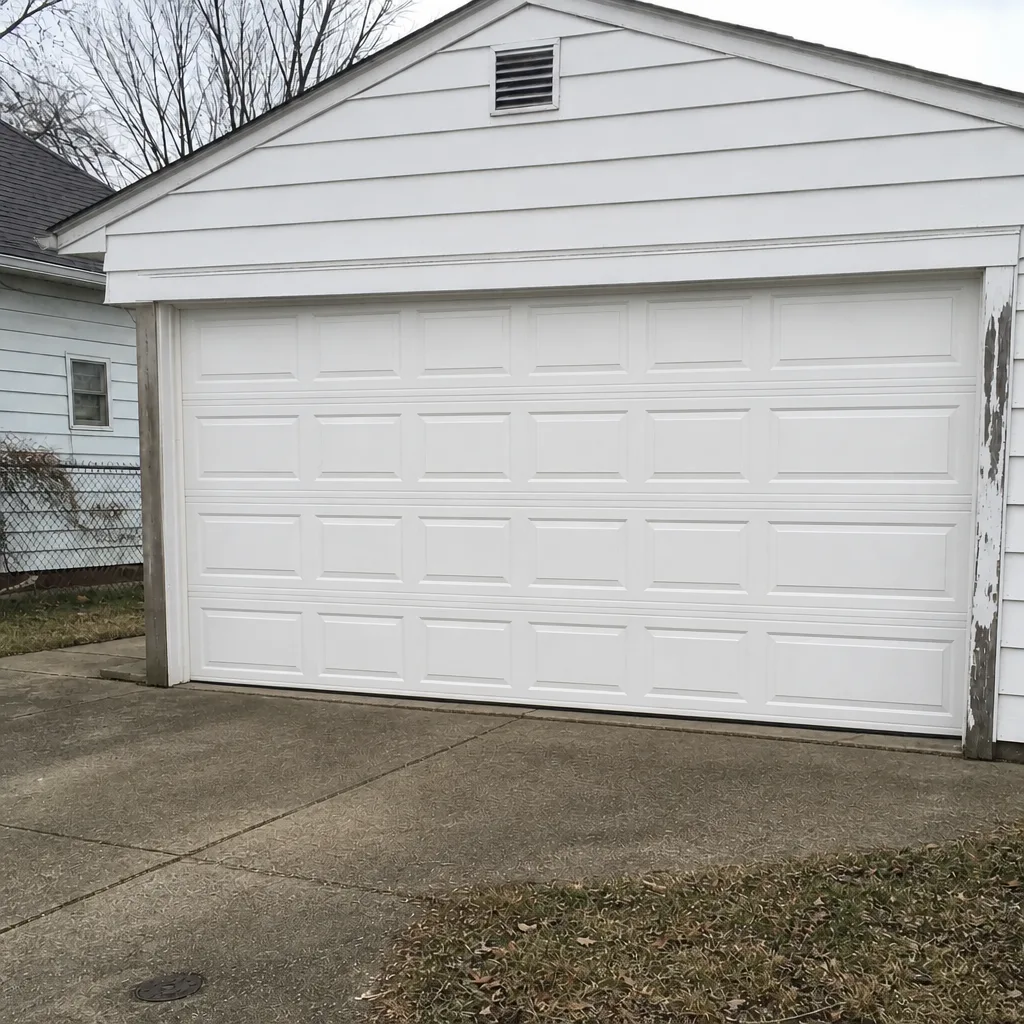 After
When to Call a Professional
Call a garage door professional when the door itself has failed, and call the city when the work involves structure or electrical. Those are two different questions and it helps to keep them separate. Our technicians have up to 13 years of experience, and we work on the brands you probably have: LiftMaster, Chamberlain, Genie, and Clopay among them. If your Collinwood door is stuck, off its track, or spring-broken, that’s a repair, not a permit question, and it’s the kind of work we handle every day.
If you’re planning a replacement and you’re not sure whether the work crosses the permit line, we’ll walk through the scope with you and tell you what the city is likely to require. Call (844) 919-4174 for a free estimate. We answer 24/7. Fast dispatch from 7am to 7pm, Sunday through Friday. The price is quoted and agreed before any work starts.
Frequently Asked Questions
Usually no, if the replacement is like-for-like: same opening size, same header, same track, same electrical. You do need one if the opening size changes, the header is modified, or a new opener circuit is added. Confirm with the City of Cleveland’s building department before work starts, and keep the paperwork. Call (844) 919-4174 for a free estimate on the door itself.
A repair restores the door to its original condition; an alteration changes the opening, the structure, or the electrical. Spring, cable, roller, hinge, opener and panel replacements on the existing opening are repairs. Widening the opening, raising the header, reframing, or adding a new opener circuit are alterations. Alterations usually require a permit in Collinwood.
Call the City of Cleveland’s building department and describe the exact scope: opening size, header, track, electrical. Don’t just say “replace a garage door.” Ask whether the work is a repair or an alteration, and if it’s an alteration, ask what submittal package and inspections are involved. If you’re unsure what to say, call us at (844) 919-4174 and we’ll help you frame the question.
Yes. A buyer’s inspector will flag unpermitted structural or electrical work, and the disclosure becomes part of the negotiation. The cleanest path is a permit pulled before the work starts. It’s cheaper and simpler than resolving it after a sale is in motion.
An inspection covers the structural load path at the header, the track attachment, the new electrical circuit, the opener’s entrapment protection, and the fire separation between the garage and the living space if the work touched it. The inspector also checks that the installed door and opener match the approved submittal. Have the permit, the manufacturer’s instructions, and the opener’s model information on site.
Ohio’s residential building code applies to all Collinwood garage doors regardless of permit status. The headline requirements are a properly sized header, a fire-rated assembly between the garage and the living space, and an opener with entrapment protection. If your door is older and the opener predates modern entrapment protection, plan for an upgrade.
The Bottom Line
Most garage door replacements in Collinwood don’t need a permit. The exceptions are the ones that matter most, and they almost always involve structure, electrical, or opening size. Confirm the scope with the City of Cleveland before work begins, keep the permit and inspection record with your house documents, and treat the pedestrian door between garage and living space as part of the same project. When in doubt, ask. The question takes five minutes; the paperwork from a resale disclosure stays with you. And when the door itself is the problem, that’s what we’re here for. Call (844) 919-4174 for a free estimate. The price is quoted and agreed before any work starts.
Written by the team at Garage Door Repair Collinwood.