
Last updated November 20, 2026
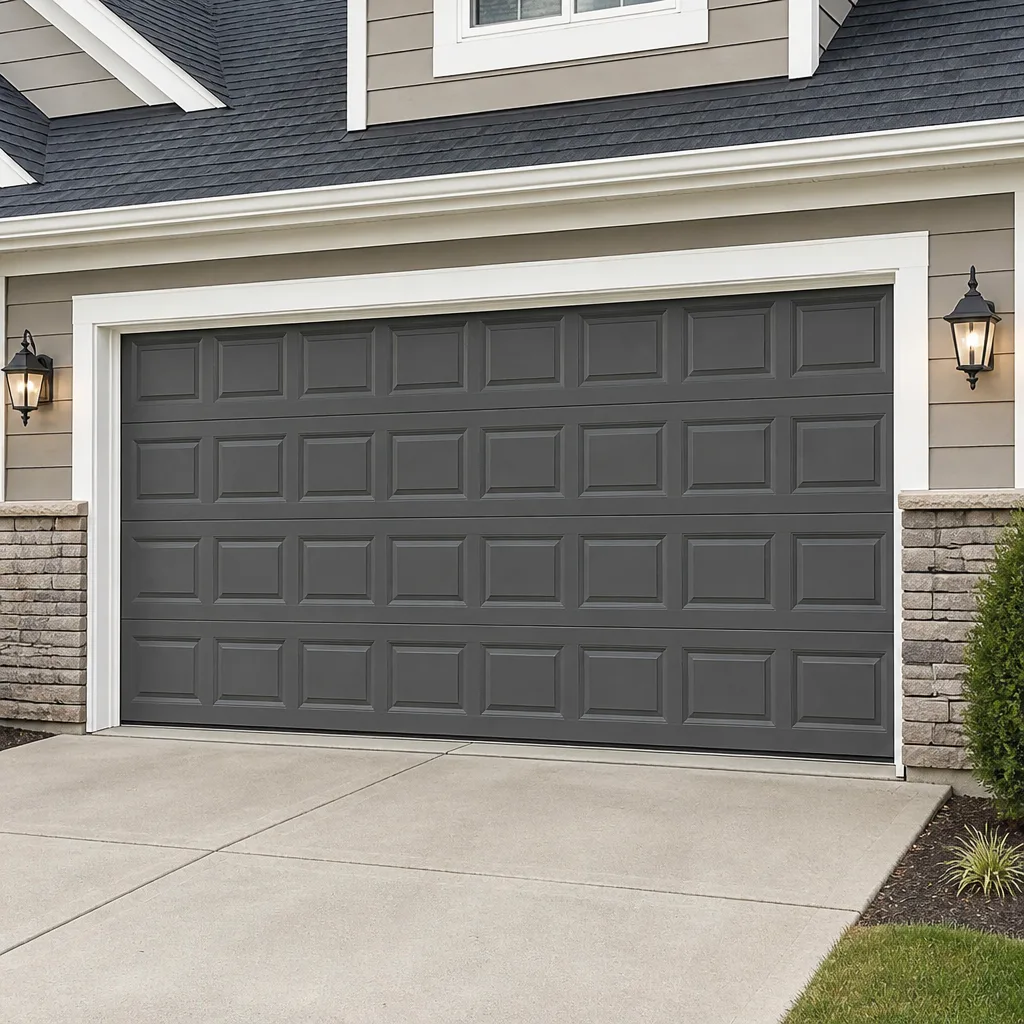 Raised-panel steel
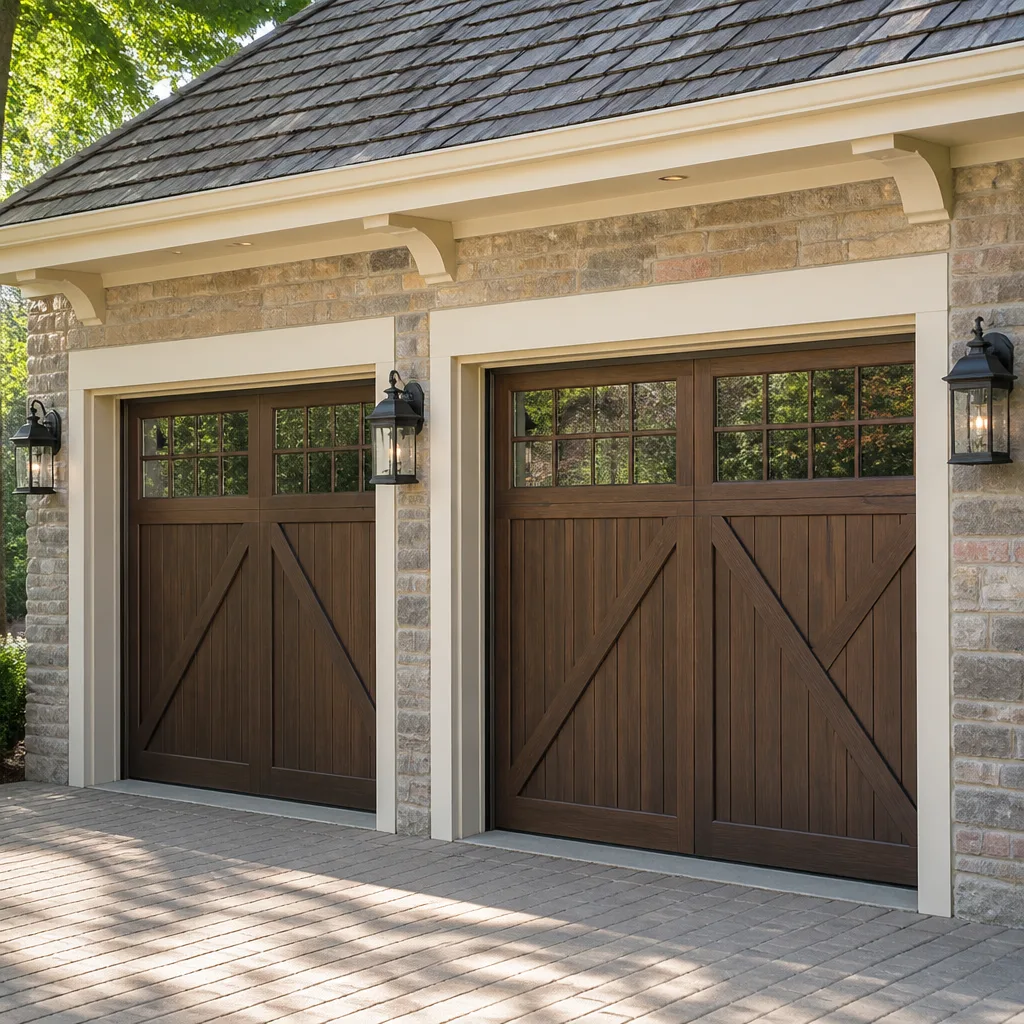 Carriage house
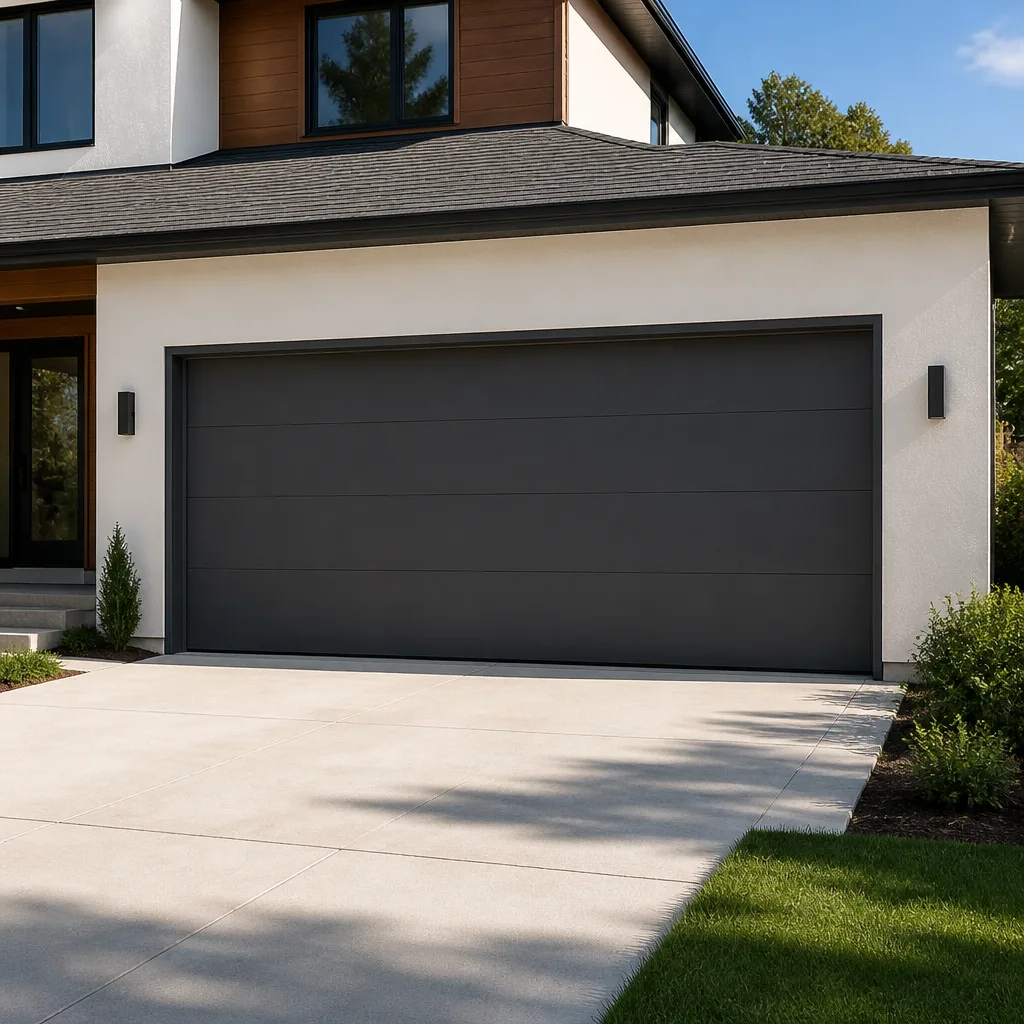 Modern flush
 Full-view glass
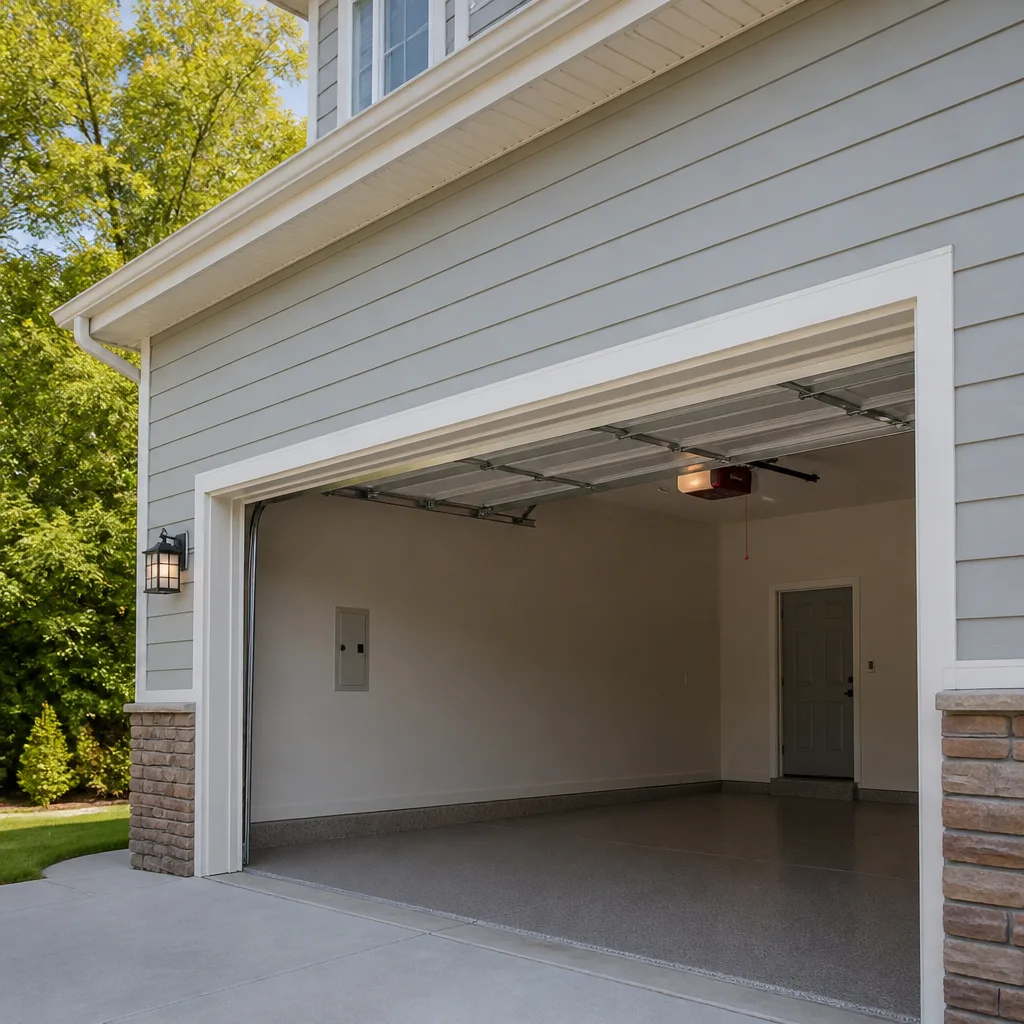 LiftMaster openers
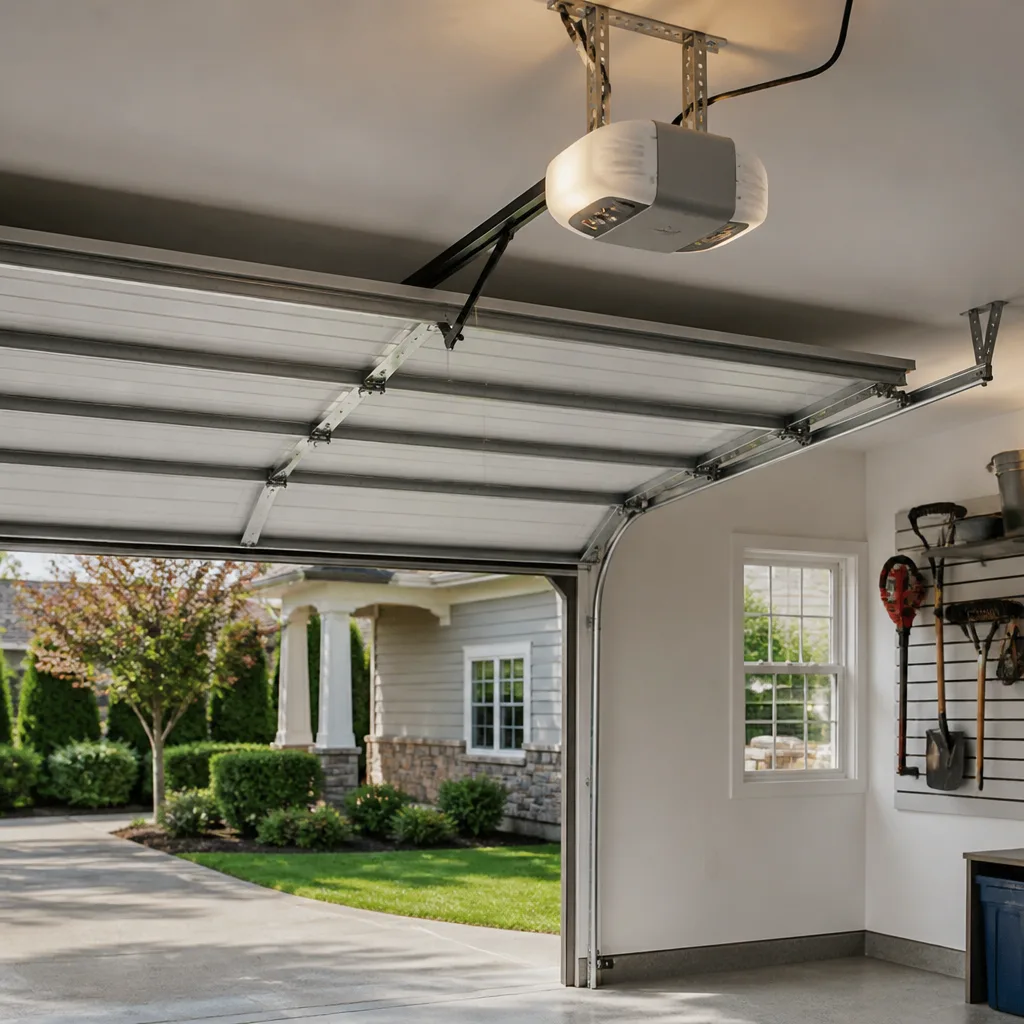 Chamberlain openers
Full 25-point door and opener safety check with every visit - springs, cables, rollers, tracks, and your LiftMaster or Chamberlain opener included
You get a price before we start. It does not change when the pro arrives.
Get your free estimateHow to Hire a Garage Door Contractor in Collinwood: A Step-by-Step Guide
Most Collinwood homeowners think the risk in hiring a garage door contractor is getting someone unlicensed. It’s a real concern, but it’s not the one that bites most people. The bigger problem is hiring a general handyman who lists garage doors as one of fifteen services, then watching the job stall because the truck doesn’t carry the torsion spring your door needs or the technician has never opened an opener in your brand before. You usually discover the difference halfway through the job. This guide walks you through how to tell a dedicated garage door specialist from a generalist before you book, what to ask about brand experience, how to verify licensing in Ohio, and which contract terms to scrutinize from Collinwood.
Quick Answer
To hire a garage door contractor in Collinwood, confirm the contractor works on garage doors as their primary trade rather than a side service, verify their Ohio contractor registration and liability coverage, ask which door and opener brands they service, and insist on a written estimate that itemizes parts and labor before any work begins. A door or opener job handled by a specialist is usually faster and safer than one handed to a generalist.
Styles & brands we work with
- Raised-panel steel
- Carriage house
- Modern flush
- Full-view glass
- LiftMaster openers
- Chamberlain openers
Table of Contents
- Specialist vs. Generalist: Why It’s the Filter That Matters
- How to Verify True Specialization in Under Five Minutes
- Brand Questions to Ask Before You Book
- Ohio Contractor Licensing and How to Check It
- What a Legitimate Estimate Should Itemize
- Red Flags That Appear After the Job Starts
- Spring Work and Safety: What to Ask
- Common Mistakes to Avoid
Specialist vs. Generalist: Why It’s the Filter That Matters
Garage doors sit in an unusual spot in the trades. They look simple from the driveway, so plenty of general contractors and handymen add them to a service list. In practice, a garage door is a counterbalanced mechanical system under continuous tension, and a sectional door on an opener involves motors, sensors, safety reversing systems, and balance springs that all have to work together. It’s not a job you learn from a weekend video.
A dedicated garage door specialist carries the parts that actually fail. They know which opener brands use which logic boards, which Clopay door models pair with which spring sizes, and how a Wayne Dalton door’s hardware differs from an Amarr door’s. A generalist shows up, diagnoses, then orders the part and comes back. That pattern is why the “cheaper” quote often loses.
Here’s the practical distinction to look for:
- A specialist names garage doors as the trade, not a line item. Their service list is repairs, opener work, installations, spring replacement, and emergency calls. Not plumbing and driveway sealing.
- A specialist stocks or can source parts same-day for common brands. Ask directly: if the part needs ordering, how long does the job take?
- A specialist brings spring winding tools and knows tension ratings. A generalist often doesn’t.
- A specialist quotes repairs against the exact model you have. A generalist quotes “a spring repair” without knowing which size.
Collinwood’s housing stock includes a lot of older detached garages alongside newer builds, so doors range from 1980s openers still in service to recent installations. A contractor who works only in one age bracket of door will struggle with the others. That matters when you’re choosing who to call.
How to Verify True Specialization in Under Five Minutes
Before you book a visit, spend five minutes confirming what the company actually does. This saves confusion and often a second callout.
- Open their homepage. If garage doors appear alongside roofing, plumbing, or window work, that’s a generalist. A single-trade page is a stronger signal than a single trade mentioned in passing.
- Check the service list. A specialist lists Garage Door Repair Collinwood, opener work, spring repair, installation, and emergency service. If the list includes overhead commercial doors and gates or unrelated trades, they may spread themselves thin.
- Search their site for brand names. Specific brand pages (LiftMaster, Chamberlain, Genie, Clopay, Amarr, Wayne Dalton, Craftsman, Raynor) suggest real technical familiarity. Generic “all brands” language is a weaker signal.
- Look for a spring service page. Torsion spring repair is the highest-risk repair in this trade. A company that offers it as a named service has usually invested in tooling and training.
- Call and ask one diagnostic question. Describe your door’s symptom (for example, “the door runs a few inches and reverses”) and see whether the person on the phone can name two or three likely causes. A specialist will. A dispatcher reading a script won’t.
That last step is often the fastest filter. In our experience, a company’s phone manner tells you whether the person on the other end has actually stood in front of a door.
Brand Questions to Ask Before You Book
Brand matters more than most homeowners expect. Opener logic, safety sensor behavior, and spring sizing all differ by brand, and the part you need is brand-specific. If the contractor doesn’t know your brand, the first visit becomes a diagnostic visit and the second visit becomes the repair.
Ask these questions directly when you call or book:
- “Do you service [my brand] openers?” If you have a LiftMaster or Chamberlain unit, ask if their technicians work on those. If you have a Genie or Craftsman, confirm the same. If the answer is “we can figure it out,” that’s a red flag.
- “Have you worked on my door brand?” Clopay, Amarr, and Wayne Dalton doors each have their own panel profiles, hardware spacing, and track systems. A technician who works on all three knows the differences.
- “Do you carry the parts I’m likely to need, or do you order them?” A specialist may not stock every part for every model, but they can usually tell you how long a special order takes and what the price looks like.
- “Will you test the safety reverse after the repair?” Every repair on a door with an opener should include a safety reversal test before the technician leaves.
- “Can you check spring balance while you’re there?” A door that lifts easily by hand when disconnected is balanced. A specialist checks this as routine.
At Garage Door Repair Collinwood, we service LiftMaster, Chamberlain, Genie, Clopay, Amarr, Wayne Dalton, Craftsman, and Raynor systems, so when we take a call, our technicians already know the equipment in your garage. That familiarity is one of the reasons we can often repair a garage door on the same visit rather than making two trips.
Ohio Contractor Licensing and How to Check It
Ohio does not issue a single statewide license for residential garage door contractors the way some states do for plumbing or electrical work. Instead, requirements vary by municipality and county. That means the burden is on you, the homeowner, to confirm the contractor is legitimate before work begins.
Here’s how to check in under two minutes:
- Ask for their state or local contractor registration. In Ohio, contractors who do residential work are typically required to register with the state or the city. Ask for the registration number and the agency that issued it.
- Confirm liability insurance and workers’ compensation. Ask for a certificate of insurance. Any legitimate contractor can have their insurer send one. If they hesitate or say “we’re covered,” ask them to email it.
- Check the Ohio Secretary of State business search. A quick search confirms the business is registered and active.
- Call back the insurer, not the contractor, to confirm coverage. A certificate of insurance should list a phone number to verify it.
- Ask about workers’ compensation coverage. If someone is injured on your property and the contractor isn’t covered, the liability question gets complicated fast.
You can also ask your city’s building department whether a permit is required for a full door replacement. Rules vary by jurisdiction, so confirm rather than assume. This isn’t a step to skip because it feels bureaucratic. It’s what protects you if something goes wrong on the property line.
What a Legitimate Estimate Should Itemize
A vague estimate is a signal. If the written quote says “repair garage door” with one price and no breakdown, you don’t know what you’re buying, which parts are being replaced, or what happens if the technician opens the panel and finds a second problem. That’s where cost overruns come from.
A legitimate estimate should itemize these items before work begins:
- Parts, by name and size. For a spring job, that means the spring size and whether it’s a single spring or a matched pair. For openers, the model number of the replacement unit.
- Labor, as a separate line. If labor is bundled into a single all-in number, ask how much of the total is labor and how much is parts.
- Disposal. Old springs, tracks, and doors need to leave with the contractor. Ask where they go.
- Any additional work identified but not included. If the technician spots a worn cable or roller that isn’t in the quote, that should be written down before the job starts, not discovered on the invoice.
- The final price stated in writing. The written quote sets the price. The technician’s verbal guess does not.
Compare estimates line by line, not by the bottom number. A quote that’s $80 lower but omits disposal, doesn’t include the safety reverse test, and uses an unbranded replacement spring is not the cheaper option.
For a full replacement, ask whether the estimate includes removing and hauling off the old door, whether the new door’s spring system is sized to the door’s weight, and whether the opener will be reconnected and tested. A complete garage door installation should be a measured, scheduled job, not something squeezed into a service call.
Red Flags That Appear After the Job Starts
Most problems that surface mid-job fall into three categories: upselling pressure, parts substitution, and warranty language. Watch for these patterns.
Upselling pressure
A technician who arrives for a broken spring and leaves pitching a full door replacement, without a clear mechanical reason, is selling rather than repairing. Sometimes a door genuinely can’t be saved, but the explanation should be specific: a cracked section, bent track, or unrepairable panel. “It’s old” is not a diagnosis. If the pressure starts before the technician has finished the diagnosis, slow down.
Parts substitution
You were quoted a Clopay or Amarr panel and the truck shows up with an unbranded replacement. That’s a substitution. Ask before anything is installed whether the part being used matches the brand and model in the quote. Reputable companies will show you the part before installing it.
Warranty language
Ask in writing what’s covered and for how long. Look for these specifics:
- Parts warranty: how long, and does it cover the specific brand and model installed?
- Labor warranty: what happens if the repair fails within weeks?
- Exclusions: what voids the warranty (for example, a door closing on an obstruction or an opener installed by someone else)?
- Who honors it: the same company that did the install, or a third party?
A written warranty with clear language is the single best protection against the “call us in a month” brush-off.
Spring Work and Safety: What to Ask
Torsion and extension springs hold enormous stored energy. If one fails while someone is working on it, the consequences are serious. This is the single reason a garage door spring is not a generalist job. The tools, the winding technique, and the correct spring size for the door’s weight all matter.
When spring work comes up, ask:
- “Are you replacing one spring or the pair?” A matched pair usually needs to be replaced together. If one spring has already broken, the other is under load and typically near the end of its life too. Ask them to explain the reasoning either way.
- “How do you size the spring to my door?” The technician should check the door’s weight and the existing spring’s wire size and length. If they don’t, the spring may not last.
- “What tools do you use to wind the spring?” Torsion springs require specific winding bars. A technician who says “I’ll just use a screwdriver” is not a specialist.
- “Will you test the door balance and the opener’s safety reverse after you’re done?” Both should be part of the job.
Do not attempt to release or replace a torsion spring yourself. If the spring is under tension, the safe move is a call to a trained professional. For Collinwood homes with older doors, a routine spring inspection can catch a fatigued spring before it fails.
Same-day spring repair is usually possible. If a spring has snapped and your door won’t close, we can usually dispatch a technician. For opener issues, dedicated garage door opener repair often resolves the same day.
Common Mistakes to Avoid
- Hiring a general contractor who “also does garage doors.” Garage doors are a mechanical specialty, not a general carpentry task. Ask whether doors are their trade or a service they add to fill slow weeks.
- Comparing estimates by bottom-line price only. Two quotes with a $100 gap can be entirely different jobs. Compare parts, labor, and disposal line by line.
- Assuming same-day is always best. For repairs, yes. For installation, no. A new door has to be measured, ordered in the right size and spring, and scheduled. A contractor promising same-day install is cutting corners.
- Skipping the insurance check. In Collinwood, as in most of Ohio, a contractor with no liability coverage leaves you exposed if someone is injured. Ask for the certificate.
- Not confirming brand experience before booking. If you have a Craftsman opener and the person on the phone says only “we work on openers,” you might spend two visits getting one repair. Ask about your specific brand first.
- Not asking about spring pairs. Replacing one spring when both are worn usually leads to a second call for the other spring later. Ask whether a pair is the better move.
- Signing a vague invoice after the work is done. The invoice should match the written estimate. If it doesn’t, ask why before you pay. The written quote sets the price.
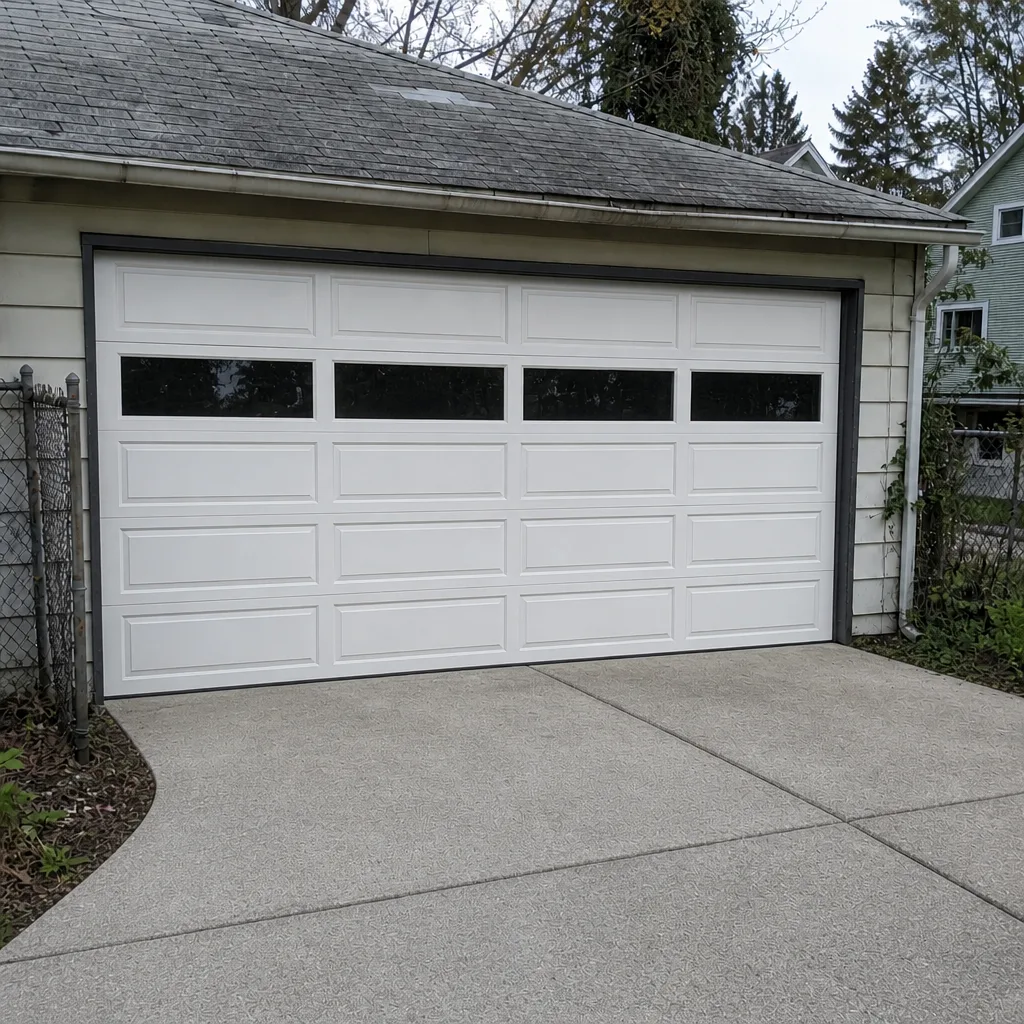
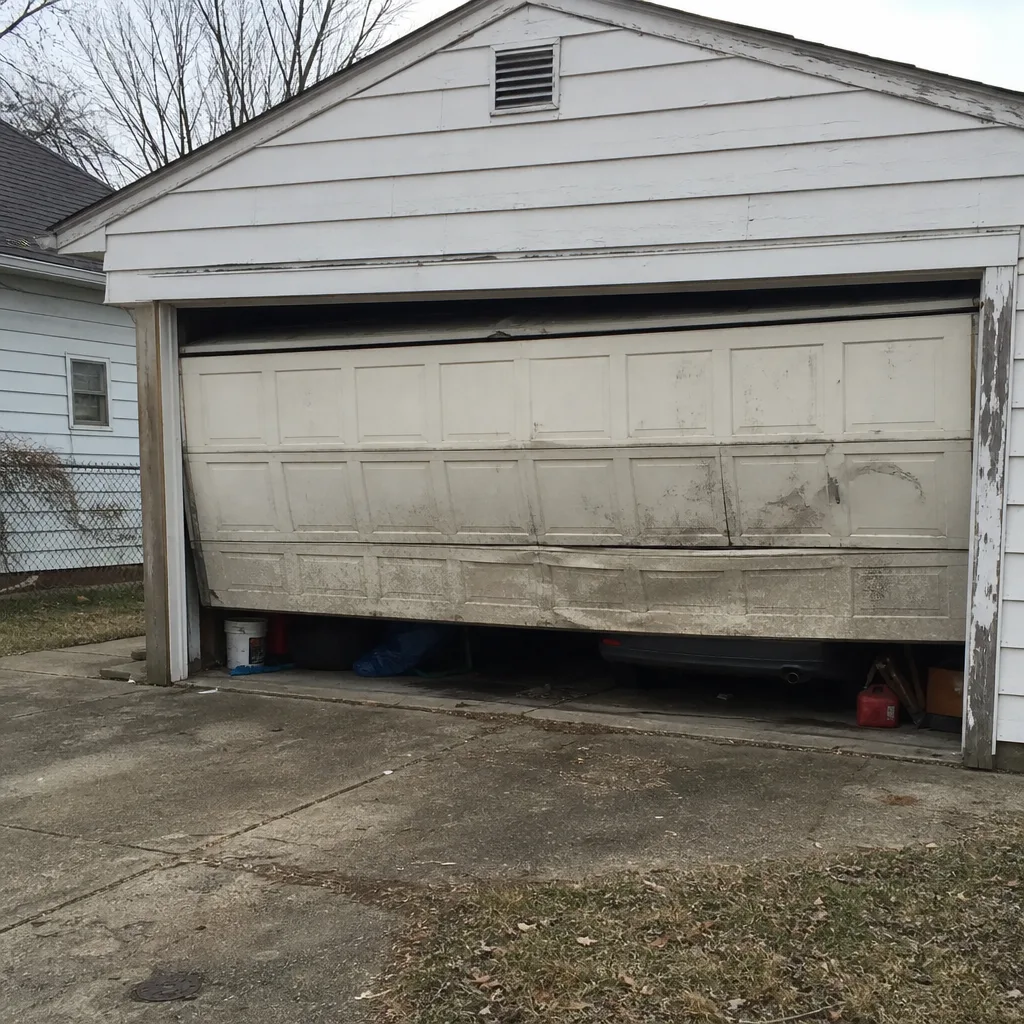
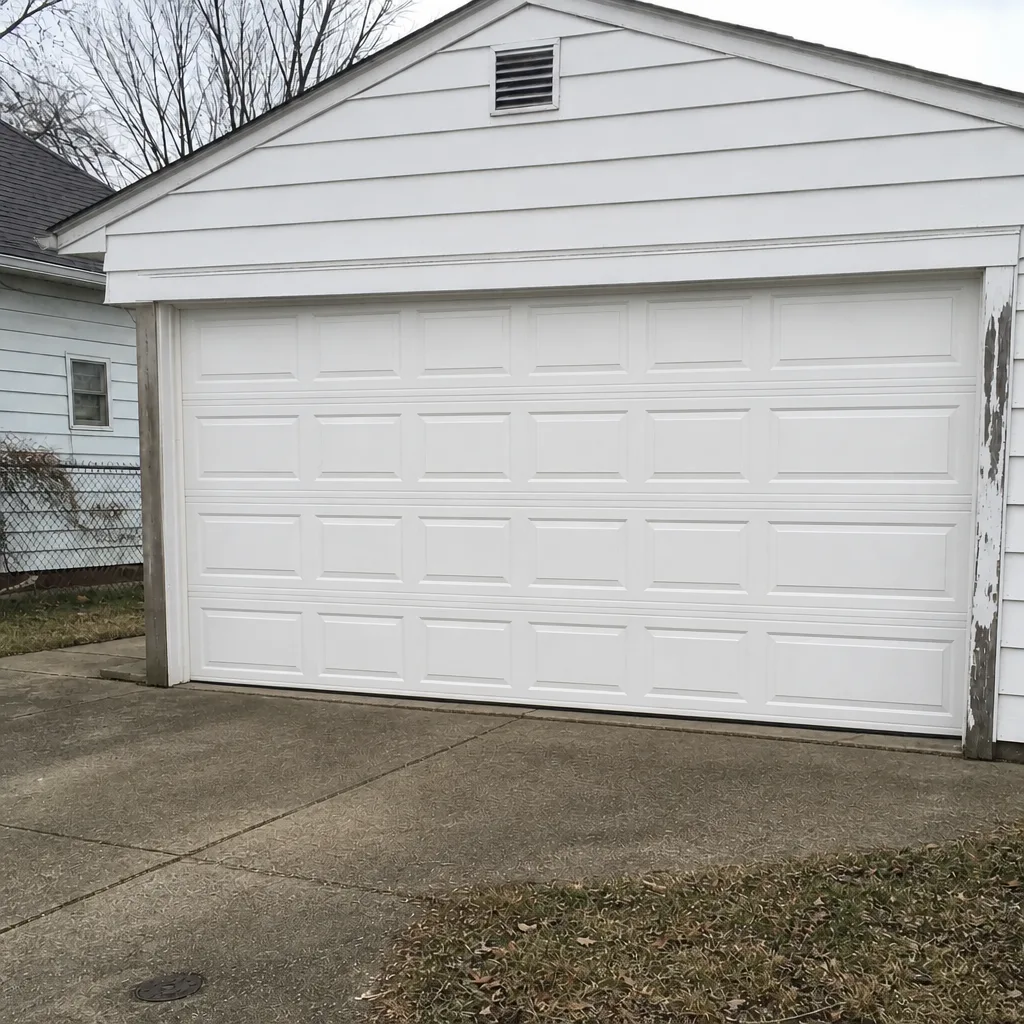
See the difference
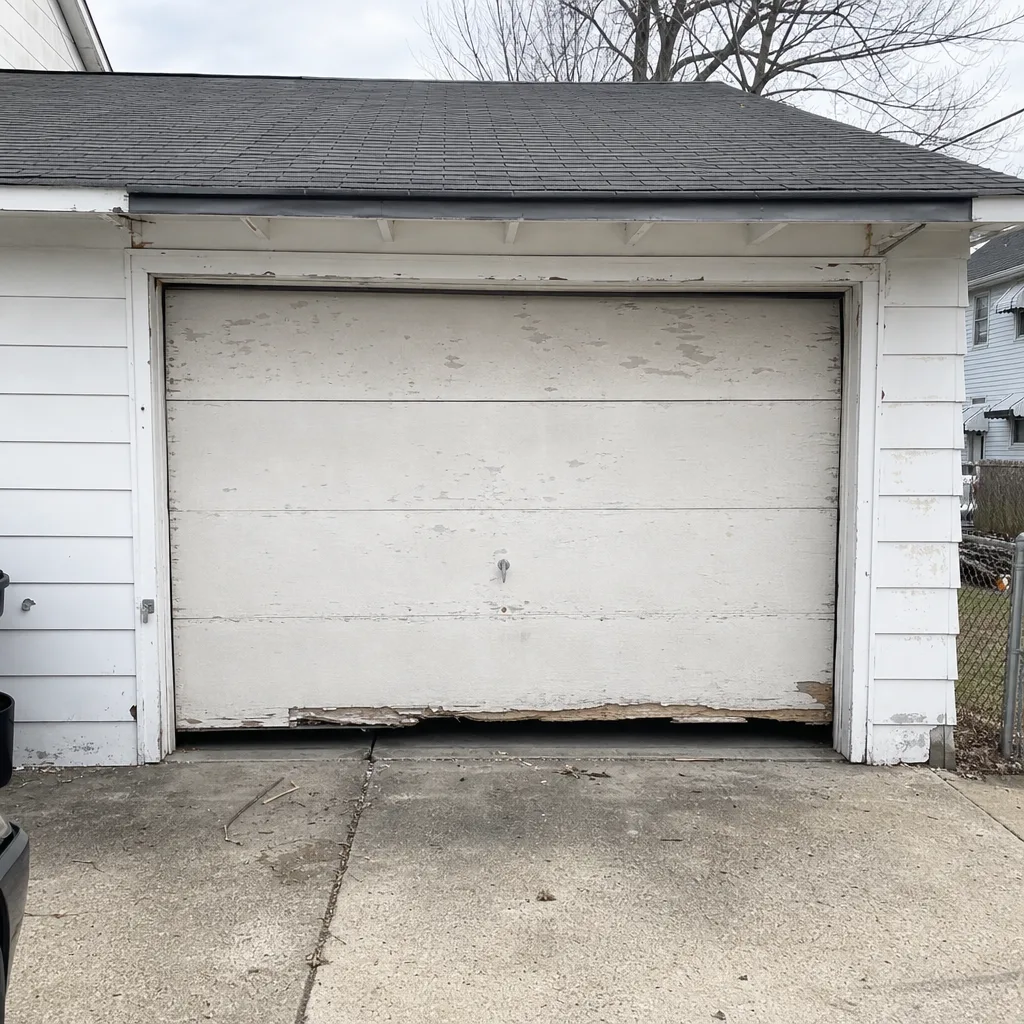 Before
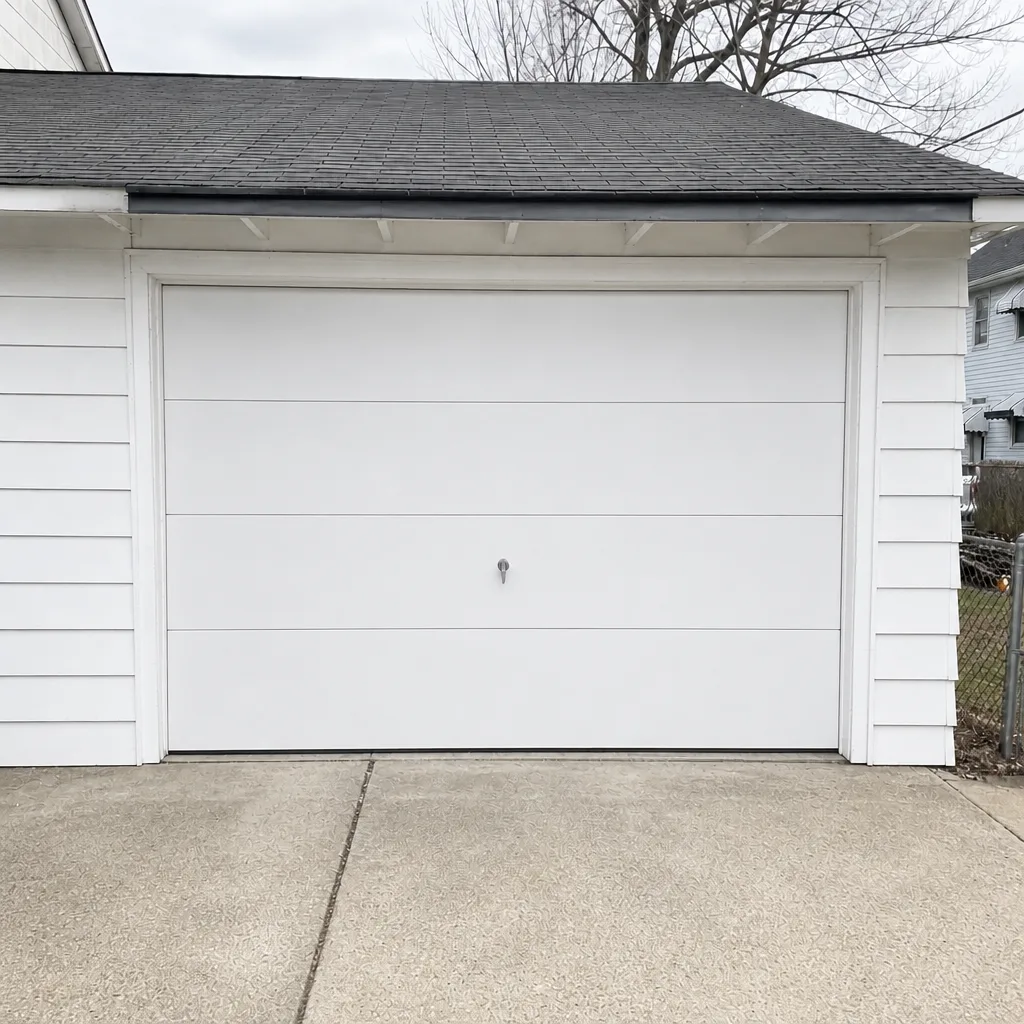 After
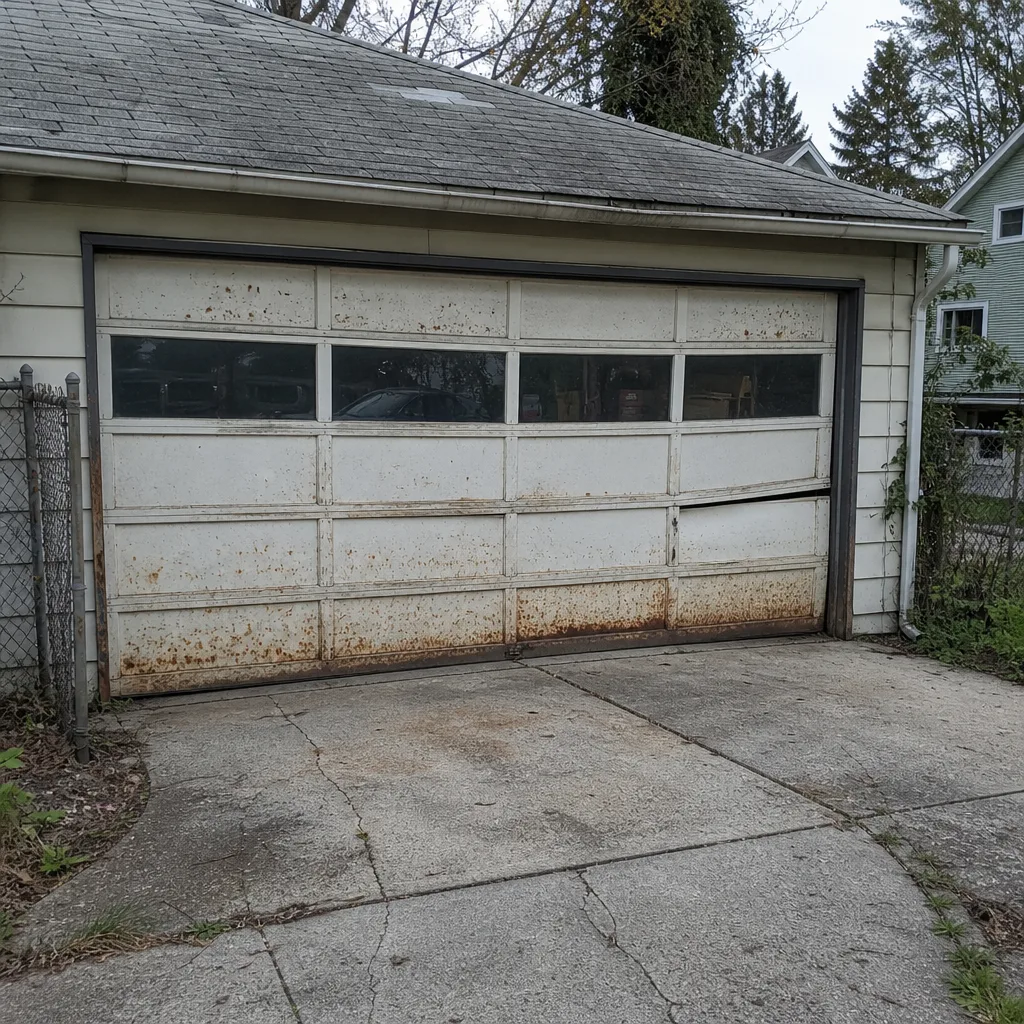 Before
 After
 Before
 After
When to Call a Professional
Some fixes are a quick call. Some are a stop-what-you’re-doing safety issue. Know which is which.
Call a professional for any spring-related issue, any time the door comes off its track, any suspected opener motor or logic board failure, and every case where the door won’t close or stays open. A door stuck open overnight leaves your home and garage exposed to weather and intrusion. A door stuck closed is a daily inconvenience that only gets worse.
Call sooner rather than later if the door is making shifting noises, jumping its track, or reversing before it reaches the floor. Those symptoms can mean a failing spring or a damaged cable, and both can fail suddenly.
Garage Door Repair Collinwood offers free estimates in Collinwood. Call (844) 919-4174. We answer 24/7. Fast dispatch from 7am to 7pm, Sunday through Friday. The technician will diagnose the issue, quote a price, and agree on it with you before any work starts.
Frequently Asked Questions
Check whether garage doors are the contractor’s primary trade or just one of many services listed. A specialist lists only garage door repair, spring work, opener work, installation, and emergency service; a generalist lists garage doors alongside roofing, plumbing, or window work. During the call, ask one diagnostic question about your door’s symptom and see if the person on the phone can name likely causes without reading a script.
Ask about the brand already installed in your garage: Clopay, Amarr, Wayne Dalton, Craftsman, LiftMaster, Chamberlain, Genie, or Raynor. Confirm the technician has worked on your opener and door brand specifically, not just openers in general. If the answer is vague, that’s worth noting before you book.
Permit rules vary by municipality in Ohio, so the reliable answer is to check with your city’s building department before the work starts. Some jurisdictions require a permit for full door replacement; others don’t. Ask the contractor directly whether they will pull any required permits, and confirm with the city if you want certainty.
Spring repair pricing is set per job by the written estimate, so ask the contractor for a written quote that names the spring size, whether it’s a single spring or a pair, and what labor and disposal will cost. Never proceed on a verbal estimate. Call (844) 919-4174 for an exact quote; estimates are free.
It should not change after the written estimate is signed unless the technician finds a problem not visible on the first assessment, and in that case the additional work should be priced and agreed before continuing. Ask upfront: “If you find something else, will you show me the new price and wait for approval?” A straight answer is the difference between a good contractor and a frustrating invoice.
In Ohio, a licensed contractor should be able to produce a state or local registration number and a certificate of insurance on request; workers’ compensation coverage is also worth verifying. The local pro we connect you with is licensed and insured as Ohio and city requirements call for. Ask for the certificate before any technician starts work in your garage.
Same-day emergency service is usually possible for a stuck door, and for repairs we aim to diagnose and fix in one visit. We answer 24/7. Fast dispatch from 7am to 7pm, Sunday through Friday. For a new installation or full replacement, the job has to be measured, ordered, and scheduled, so plan on booking rather than same-day.
The Bottom Line
The decision that matters most in hiring a garage door contractor in Collinwood isn’t license and insurance alone, even though those matter. It’s whether you’re hiring a garage door specialist or a generalist adding doors to a service list. A specialist arrives with the parts, tools, and brand knowledge to diagnose and fix in one visit. A generalist doesn’t, and the gap shows up mid-job. Verify the specialization in five minutes, ask about brand experience, insist on a written estimate with itemized parts and labor, check the insurance, and read the warranty before you sign. Then call the specialist, not the handyman.
If you’re ready to book, we’re ready to help. Call (844) 919-4174. We answer 24/7. Fast dispatch from 7am to 7pm, Sunday through Friday. We work on your brand, and we price every job with a written estimate before the work starts.
Written by the team at Garage Door Repair Collinwood.