
Last updated November 20, 2026
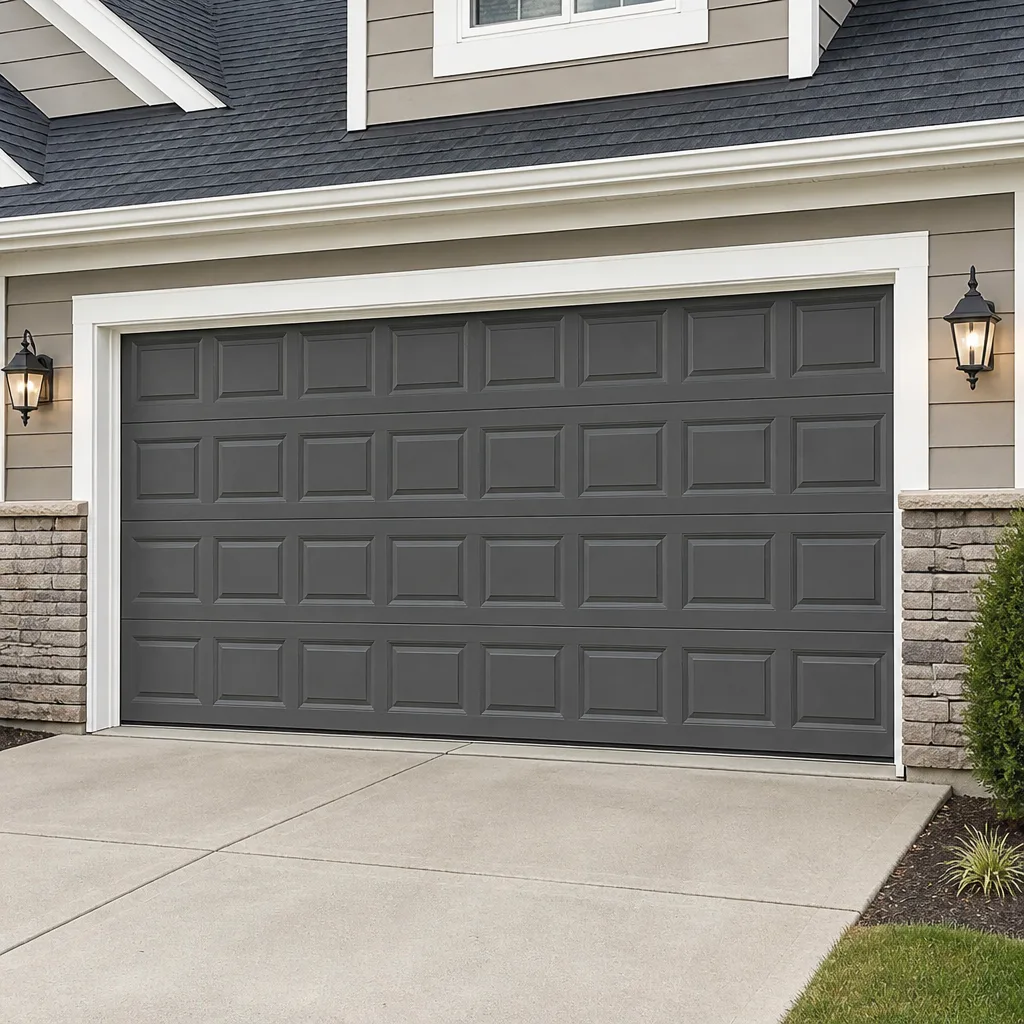 Raised-panel steel
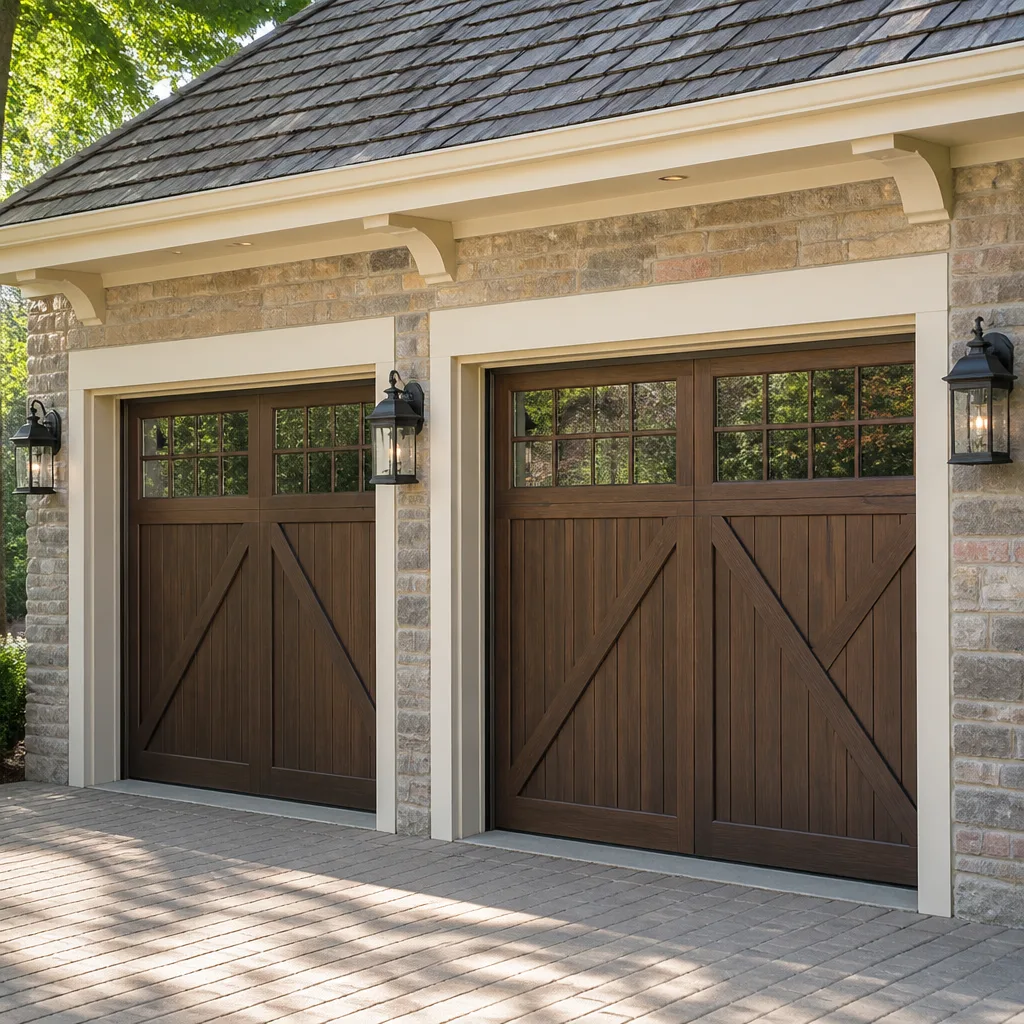 Carriage house
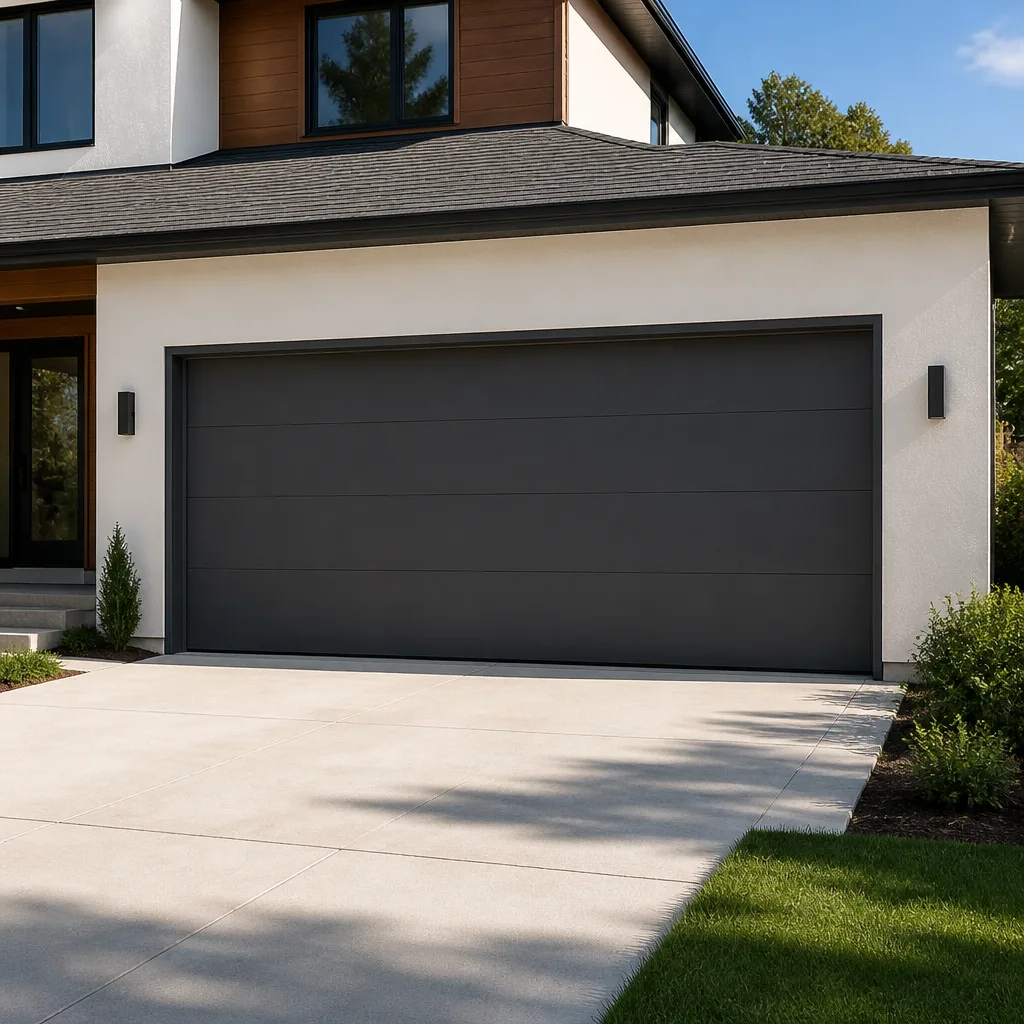 Modern flush
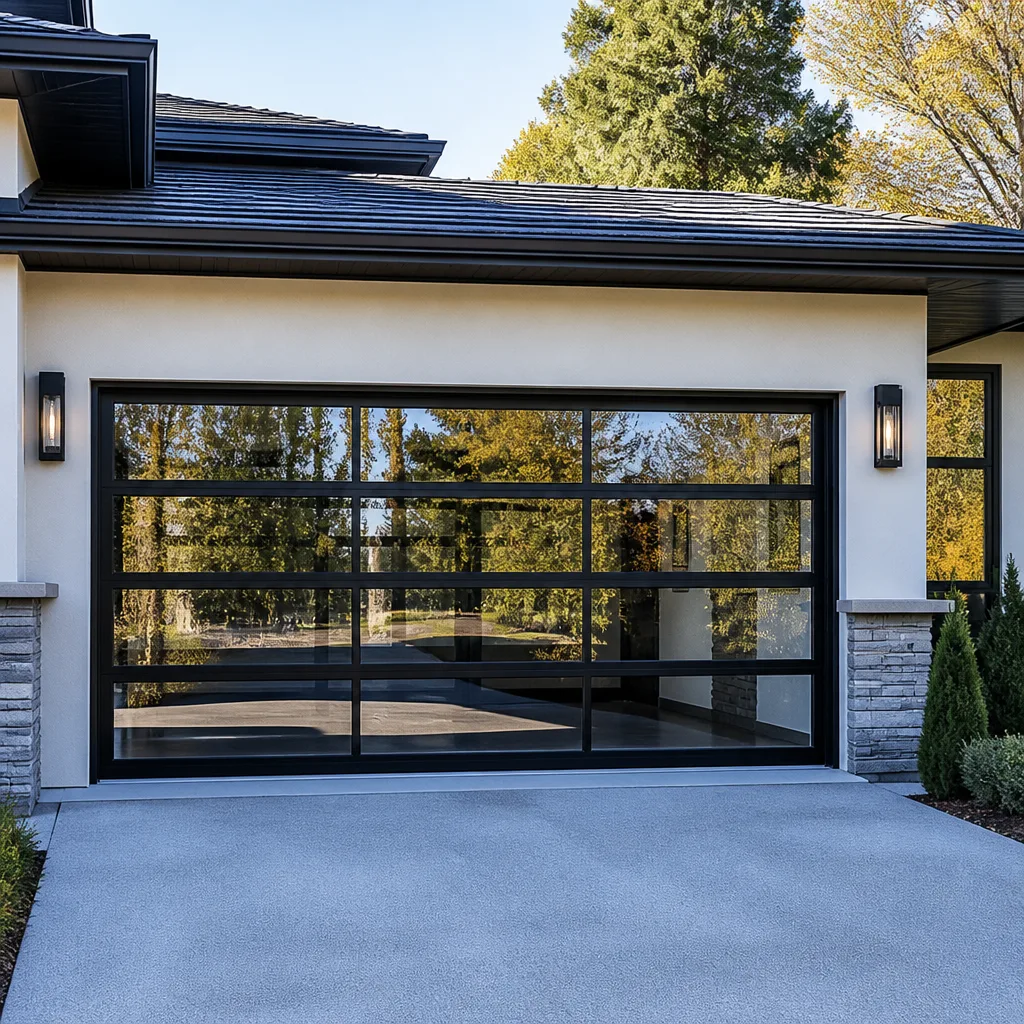 Full-view glass
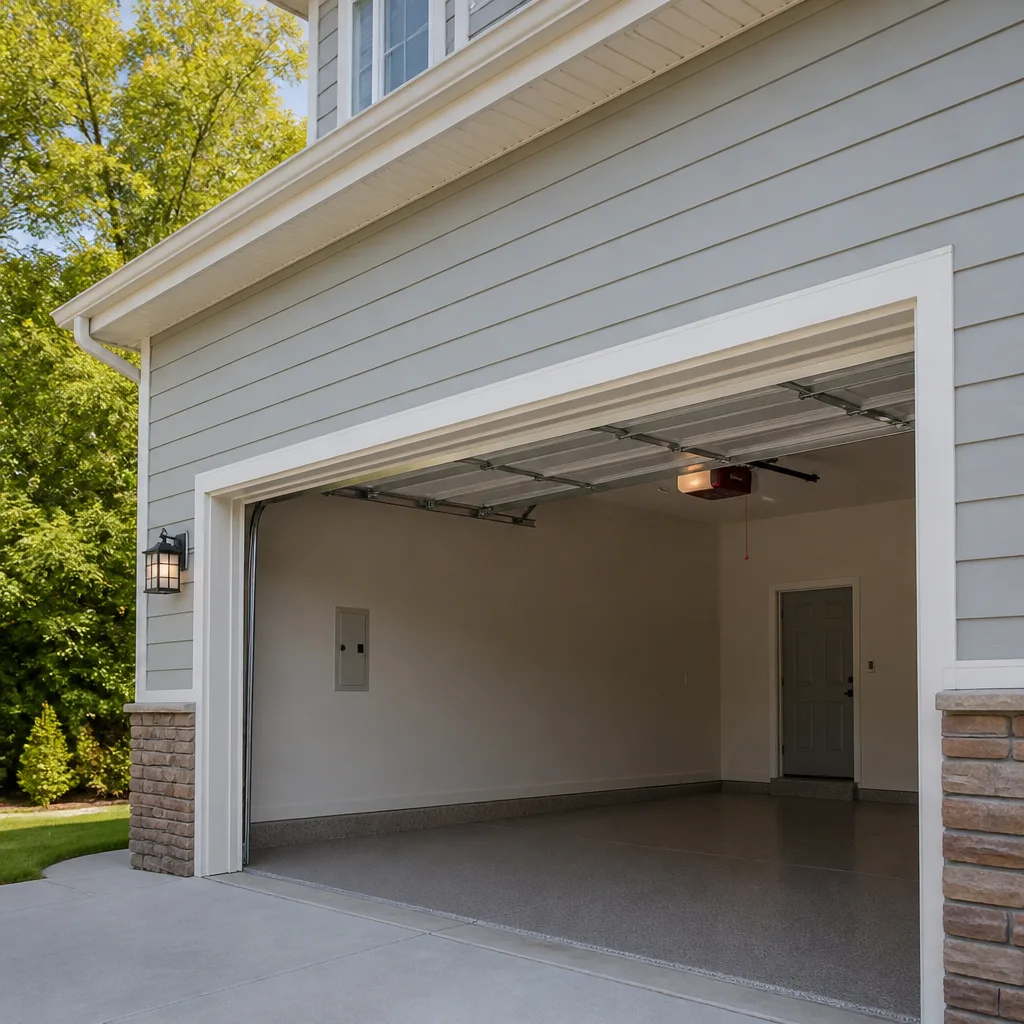 LiftMaster openers
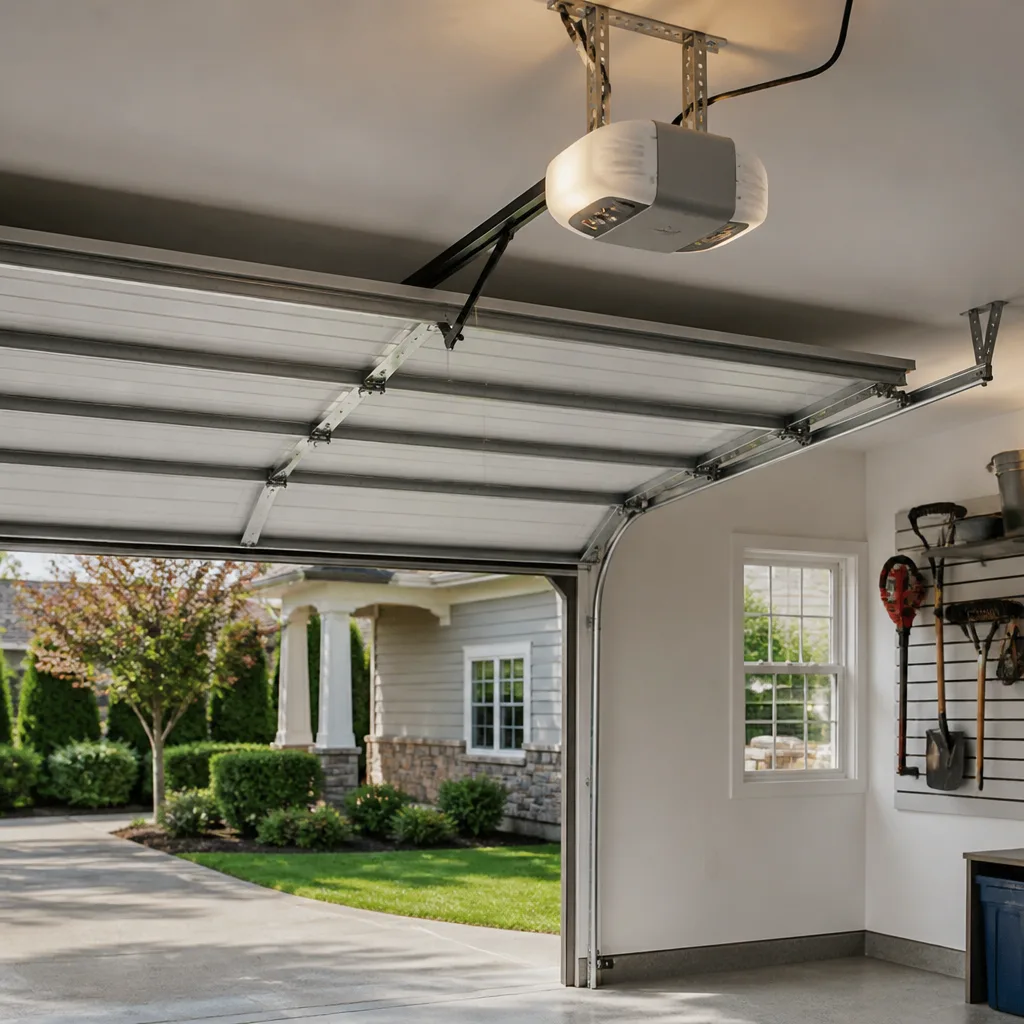 Chamberlain openers
Full 25-point door and opener safety check with every visit - springs, cables, rollers, tracks, and your LiftMaster or Chamberlain opener included
You get a price before we start. It does not change when the pro arrives.
Get your free estimateSeasonal Garage Door Care for Collinwood: Year-Round Homeowner’s Guide
Most homeowners assume garage door problems are random. A spring snaps on a Tuesday in March, an opener quits over Labor Day, and it all feels like bad luck. The pattern is tighter than that. In Collinwood, the heaviest cluster of service calls lands in a narrow window – late November through January – when freeze-thaw cycling, road salt tracked off the street, and low-temperature metal brittleness all hit the same door at once. Get ahead of that six-week stretch and you skip most of the year’s failures before they start. This guide walks through what to do each season, in order, for a door that lives through Northeast Ohio weather.
Quick Answer
Seasonal garage door care in Collinwood means four checkpoints a year: a November pre-freeze tune-up focused on weatherstripping and lubrication, monthly visual checks through the deep winter, a post-thaw inspection in March to catch salt damage and spring fatigue, and a summer humidity check on wood and composite panels. Most Collinwood service calls trace back to something that could have been caught at one of those four points, and the highest-risk component – the torsion spring – is also the one you should never touch yourself.
Styles & brands we work with
- Raised-panel steel
- Carriage house
- Modern flush
- Full-view glass
- LiftMaster openers
- Chamberlain openers
Table of Contents
- Why November Is the Window That Decides Your Winter
- The Pre-Freeze Checklist: What to Do Before the First Hard Freeze
- Road Salt, Bottom Seals, and Aluminum Versus Steel Frames
- Winter Maintenance: What to Watch Through January and February
- Spring Post-Thaw Inspection: Triaging What Winter Left Behind
- Summer Humidity and Lake Erie Air: Wood and Composite Panels
- Fall Lubrication and Weatherseal Protocol
- Brand-Specific Care: Amarr, Wayne Dalton, and More
Why November Is the Window That Decides Your Winter
The six weeks from late November into January are the damage window in Collinwood, and it isn’t the cold alone. It’s the cycling. Temperatures climb above freezing in the afternoon and drop hard after dark, and every swing shrinks and expands the metal in your door and the rubber in its seals. Weatherstripping that’s been sitting at summer length for months starts to pull away from the jamb. The bottom seal hardens before it ever gets a real cold snap. And torsion spring steel, which is under serious tension even when the door is closed, gets less forgiving as it cools.
By the first two weeks of January, all of that has stacked. A door that was working fine on Halloween is now straining against a seal that’s frozen to the concrete, and a spring that was aging quietly has been through hundreds of temperature cycles. That’s why so many Collinwood calls cluster early in the year – not because of holiday neglect, but because freeze-thaw is doing its work whether the homeowner sees it or not.
What this means practically: the November checklist buys you more than the January repair. Almost everything on it is something a homeowner can walk out and check in twenty minutes on a dry afternoon, plus one category – the springs and cables – that stays off-limits. We work on Collinwood doors every week, and the pattern holds. A little action in November saves most of the winter.
The Pre-Freeze Checklist: What to Do Before the First Hard Freeze
The single most useful window for preventing winter service calls is the run-up to Collinwood’s first hard freeze, usually late November. Work through these tasks in order on a dry, above-freezing afternoon. The first several are DIY-friendly; the last is not, and we’ll explain why.
- Test the door’s manual balance. Disconnect the opener and lift the door halfway by hand. It should hold roughly where you leave it. If it drops or flies up, the springs are out of adjustment or wearing, and you want that looked at before the cold sets in.
- Inspect the bottom seal. Run your hand along the rubber that meets the floor. Cracks, flat spots, or gaps at the corners mean cold air and water are getting in – and that’s what freezes and sticks.
- Check the weatherstripping around the jambs. Look for peeling, gaps, or brittle spots. This is the trim that keeps wind-driven snow out of the tracks.
- Clean and lubricate the tracks. Wipe the tracks with a clean cloth and a garage-door lubricant (not WD-40, which attracts grit). Never grease the tracks – it collects dust and gums up the rollers.
- Lubricate the hinges, rollers, and springs. A dry garage-door lubricant on the spring coils helps, but that’s lubrication only – not adjustment. The spring itself stays a hands-off component.
- Check door alignment. Stand inside and look along the gap at the top and bottom. A door that’s sagging or racked will drag once the tracks cool and stiffen.
One caution worth stating plainly: torsion springs and the cables under them are under very high tension and are the most dangerous part of any garage door. Do not attempt to adjust, wind, loosen, or replace a spring or cable yourself – a single wrong move can cause serious injury. This is one of the few garage-door tasks that genuinely needs a trained professional, and it’s the reason we offer spring repair as its own named service rather than treating it as part of a general tune-up. Everything else on that list is safe to inspect. When in doubt, call garage door repair out to look, and make sure the price is quoted and agreed before any work starts.
Road Salt, Bottom Seals, and Aluminum Versus Steel Frames
Road salt is a Collinwood fact of life from the first snow through the thaw, and it doesn’t stay on the street. Your car tracks it into the garage, it dries on the floor, and the moisture carries it up into whatever it touches first – the bottom seal and the bottom section of the door. What salt does to your door depends heavily on what the frame and panels are made of.
Aluminum frames and bottom fixtures
Aluminum is lighter and resists rust, which is why it shows up on a lot of Collinwood doors. What it doesn’t resist is salt-driven pitting and corrosion at the contact points. The salt dries into the seams where the frame meets the concrete and where the bottom bracket attaches, and over a winter or two you get white powdery corrosion and eventually pitting. That pitting weakens the hardware mounts before it’s visible from the driveway.
Steel panels and frames
Steel is more common and more straightforward. Paint is your protection, and salt finds every chip and scratch. A stone chip near the bottom edge becomes a rust spot by March, and once rust starts it creeps under the paint. Steel is easy to protect if you catch it – touch up chips in the fall and rinse the bottom sections a couple of times through the winter. The salt attack is slow but steady, which is why the spring inspection time is really the time to look.
Bottom seals are the front line
The bottom seal – the rubber strip along the very bottom of the door – takes the most salt and the most freeze-thaw punishment of any part of the system. A hardened or bloated seal won’t seal, and once it stops sealing the door is exposed to everything else. If your seal is more than a few seasons old and shows cracking, plan to replace it before winter, not after.
Winter Maintenance: What to Watch Through January and February
Once the freeze sets in, the job shifts from prep to observation. You’re not doing heavy maintenance in January – you’re watching for the signals that say “call now before this gets worse.” Most of what fails in winter gives warning first, if the door is inspected regularly.
- Listen to the door. A new grinding, scraping, or popping sound is a component talking to you. Constant noise that wasn’t there in the fall is the most common early sign.
- Watch for a frozen bottom seal. If the door struggles to open from the floor, or the opener strains on the first cycle of the morning, the seal may be frozen to the concrete. Don’t yank it – chip the ice loose gently and then check whether the seal needs replacing.
- Check for snow and ice in the tracks. Packed ice in the track makes the door drag and can force it off track. Keep the tracks clear and never break out a metal tool to do it.
- Test the safety reverse. Put a small object under the closing door – the opener should reverse on contact. This is a safety check, especially on an older opener.
- Look at spring behavior. If the opener seems to work harder, or the door wobbles or drops, note it. Springs and cables move into “call a professional” territory the moment performance changes.
Winter is also when a genuine door failure becomes urgent. A door stuck open in January is not just an inconvenience – it means your garage, and whatever connects to it, is open to the weather and to anyone walking by. If a door fails outside our normal dispatch hours, call us. We answer 24/7, and a call outside dispatch hours is booked into the next opening, Sunday through Friday, 7am to 7pm.
Spring Post-Thaw Inspection: Triaging What Winter Left Behind
When the last hard freeze passes – usually mid-March in Collinwood – do a full inspection before you decide anything is fine. Winter doesn’t always announce itself. A door can close cleanly in April and still be hiding damage that turns into a March breakdown the following year. Here’s how to triage what the season left behind, in priority order:
- Springs first. Look for a gap in a torsion spring or a snapped extension spring, and run the manual balance test again. If the door won’t hold halfway or feels heavy, don’t operate it – call for spring service. This is the highest-risk component and the one most affected by a cold, cycling season.
- Bottom seal and weatherstripping. Salt and ice will have done their work. Check the seal for hardening, cracks, and chunks missing at the edges, and check the jamb trim for peeling.
- Bottom panels and paint. Scan the bottom two feet of the door for rust spots or chipped paint from winter debris. Address chips before spring rain gets in.
- Rollers and hinges. Spin the rollers by hand; they should turn freely and quietly. A rough roller after winter is often a roller that needs replacing, not more lubricant.
- Track alignment. Look up the length of each track for bending or gaps from ice pressure. A slightly bent track that still runs is still wearing your rollers out.
- Opener and safety features. Retest the safety reverse and check that the opener’s force settings haven’t drifted over the cold season. If the opener has been struggling all winter, this is the time for a proper diagnostic.
If the inspection turns up more than a tune-up can fix – a door that’s rusted through at the bottom, or panels that have taken on water – a garage door installation is worth pricing rather than repairing. The full-lifecycle option matters here: a specialist who handles both repair and replacement doesn’t send you shopping for a second company when a door is past saving.
Summer Humidity and Lake Erie Air: Wood and Composite Panels
Summer in Collinwood brings a different problem than winter: moisture. The lake influence keeps the air humid, and a garage that isn’t climate-controlled traps that humidity against the door for months. Steel and aluminum handle it fine. Wood and composite panels are a different story.
Wood doors
Wood moves with moisture – it swells in humid weather and shrinks in the dry heat of winter. Over a few summers, that movement shows up as splitting, warping, and paint that lifts at the seams. The care here is simple and consistent: keep a good coat of paint or stain on the door, reseal the bottom and edges where water sits, and check the panel joints for soft spots after a wet summer. A wood door that’s sealed properly survives Collinwood’s humidity; one that’s neglected will need panel work or replacement.
Composite and fiberglass panels
Composite doors resist water better than wood but aren’t immune. Moisture can work into the edges and seams where the composite meets the frame, and over time the panel face can bubble or delaminate. Inspect the edges each summer and keep the bottom seal watertight, since that’s where the moisture gets in.
What about the opener in summer?
Hot, humid air isn’t kind to opener electronics either. If your opener starts acting up in July – reversing for no reason, failing to close, or the remote losing range – that’s a sign to have it looked at. We handle garage door opener repair for all the major brands, and a proper diagnostic beats guessing which part to swap.
Fall Lubrication and Weatherseal Protocol
Fall is the setup for winter, and in Collinwood you want it done before the first hard freeze, not after. The window is roughly October into mid-November. This is the protocol we’d walk a homeowner through, in order:
- Clean the tracks thoroughly and wipe out grit and debris. Then apply a garage-door-specific lubricant sparingly – never grease.
- Lubricate hinges, rollers, and the spring coils with dry garage-door lubricant. Lubrication only; adjustment is a professional job.
- Inspect and replace worn weatherstripping around the jambs and the bottom seal before the cold hardens them. New rubber installed in mild fall weather seals better than rubber that’s been sitting through a freeze.
- Touch up paint chips on steel panels, especially near the bottom where salt will attack first.
- Test the opener and safety reverse one more time before the season, and check the force settings.
- Clear the garage floor and approach of leaves and debris so meltwater drains instead of freezing at the door.
Timed right, the fall protocol catches almost everything the November checklist would otherwise find. That’s the key insight for Collinwood: act in the fall, inspect in the spring, and most of what fails in between never gets the chance.
Brand-Specific Care: Amarr, Wayne Dalton, and More
A seasonal plan only works if the person doing the check knows your equipment. Door and opener systems vary more than homeowners expect – spring setups, roller styles, and opener logic all differ between manufacturers, and the care points that matter most shift with the brand. That’s why we’re certified to service eight of the most widely installed residential brands: LiftMaster, Chamberlain, Genie, Clopay, Amarr, Wayne Dalton, Craftsman, and Raynor.
In practice, this means a technician arrives already familiar with the exact system in your garage. Wayne Dalton doors, for instance, often use proprietary hardware that needs the right parts, not a generic substitute. Amarr panels have their own weatherseal and panel construction details. Craftsman and Genie openers have their own diagnostic patterns. We work on your brand, and we diagnose and fix in one visit wherever the parts allow.
If you’re starting from scratch or weighing a replacement, choose a door and opener that suit Collinwood’s climate – sealed panels and hardware that tolerates freeze-thaw and salt. That’s the same conversation we have on every Collinwood install, and it saves years of maintenance later.
Common Mistakes to Avoid
- Waiting until something breaks. In Collinwood, most winter calls are not sudden failures – they’re damage that built up through a season of freeze-thaw that a fall check would have caught. A twenty-minute inspection in November beats a scramble in January.
- Using WD-40 or grease on the tracks. Standard spray lubricant and grease attract grit and gum up the rollers. Use a dry, garage-door-specific lubricant, and keep the tracks clean and dry.
- Attempting a DIY spring repair. This is the number-one dangerous mistake. The torsion spring and its cables are under extreme tension; adjusting or replacing them without training and the right tools causes serious injury. Leave spring work to a trained professional.
- Ignoring a frozen bottom seal. Forcing a frozen door open strains the opener and can damage panels. Chip the ice loose gently, then check whether the seal needs replacing.
- Skipping the post-thaw inspection. It’s easy to assume a door that works is fine after winter. Salt damage, rust, and spring fatigue can hide for months before they fail – inspect in March, not in July.
- Letting rust spots sit on steel panels. Collinwood’s salt exposure makes a small paint chip into a rust spot by spring. Touch up chips in the fall and after every thaw.
- Assuming all doors and openers need the same care. A wood door, a composite panel, and a steel door have different moisture rules; a Wayne Dalton and a Clopay have different hardware. Match the care to the brand and material.
See the difference
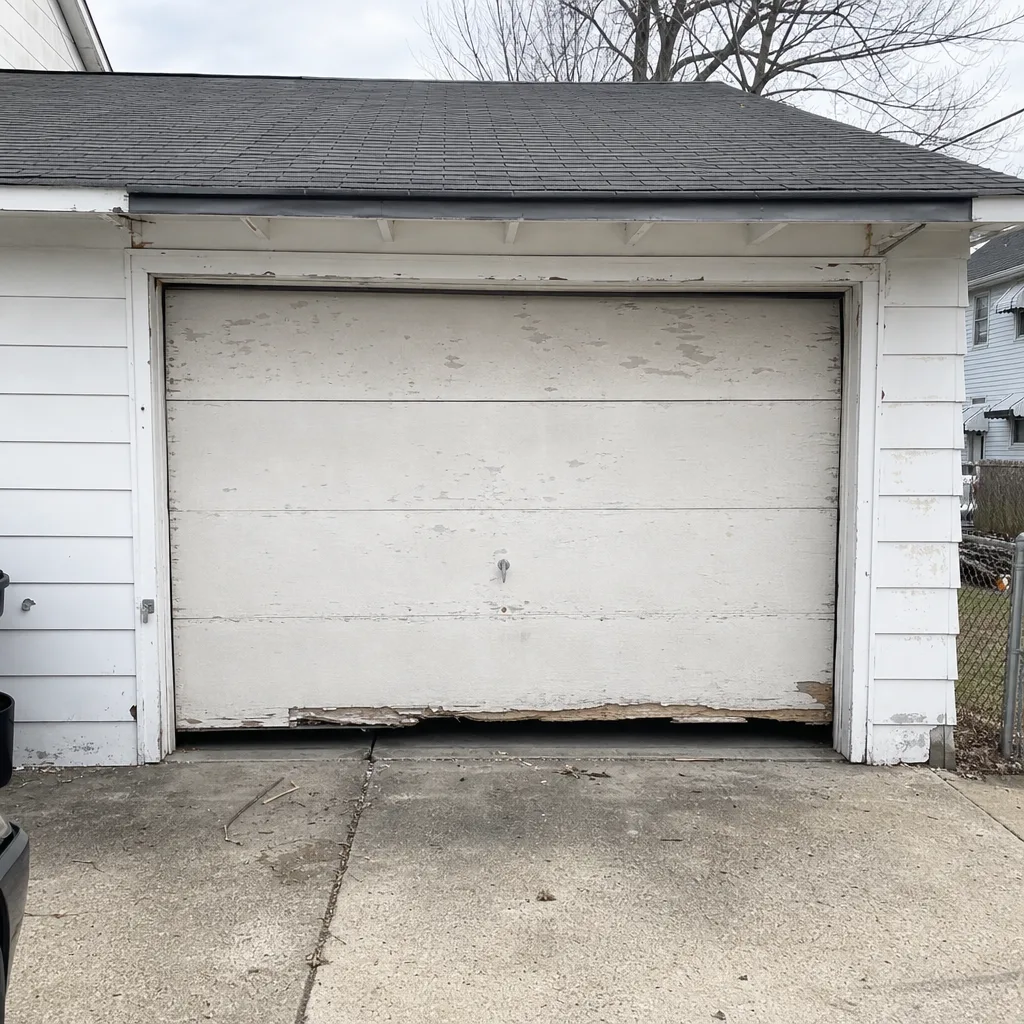 Before
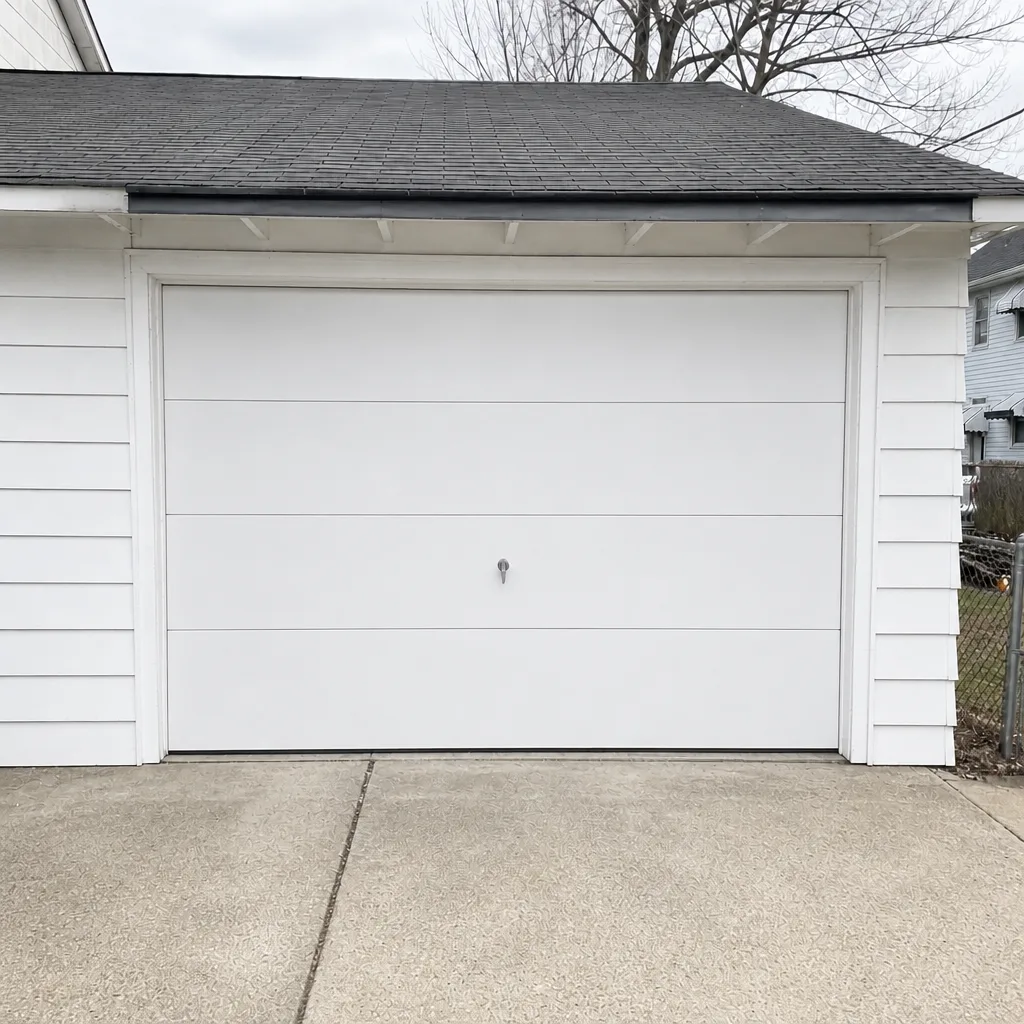 After
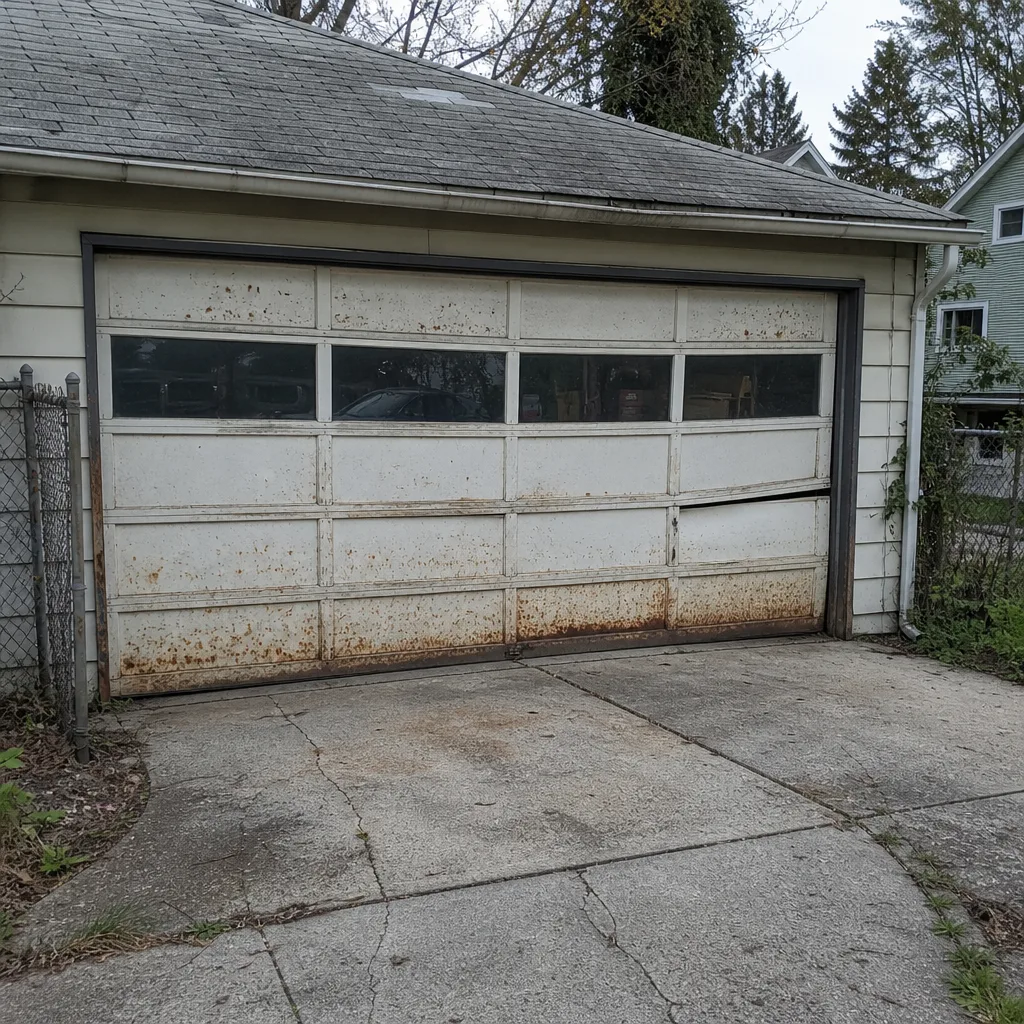 Before
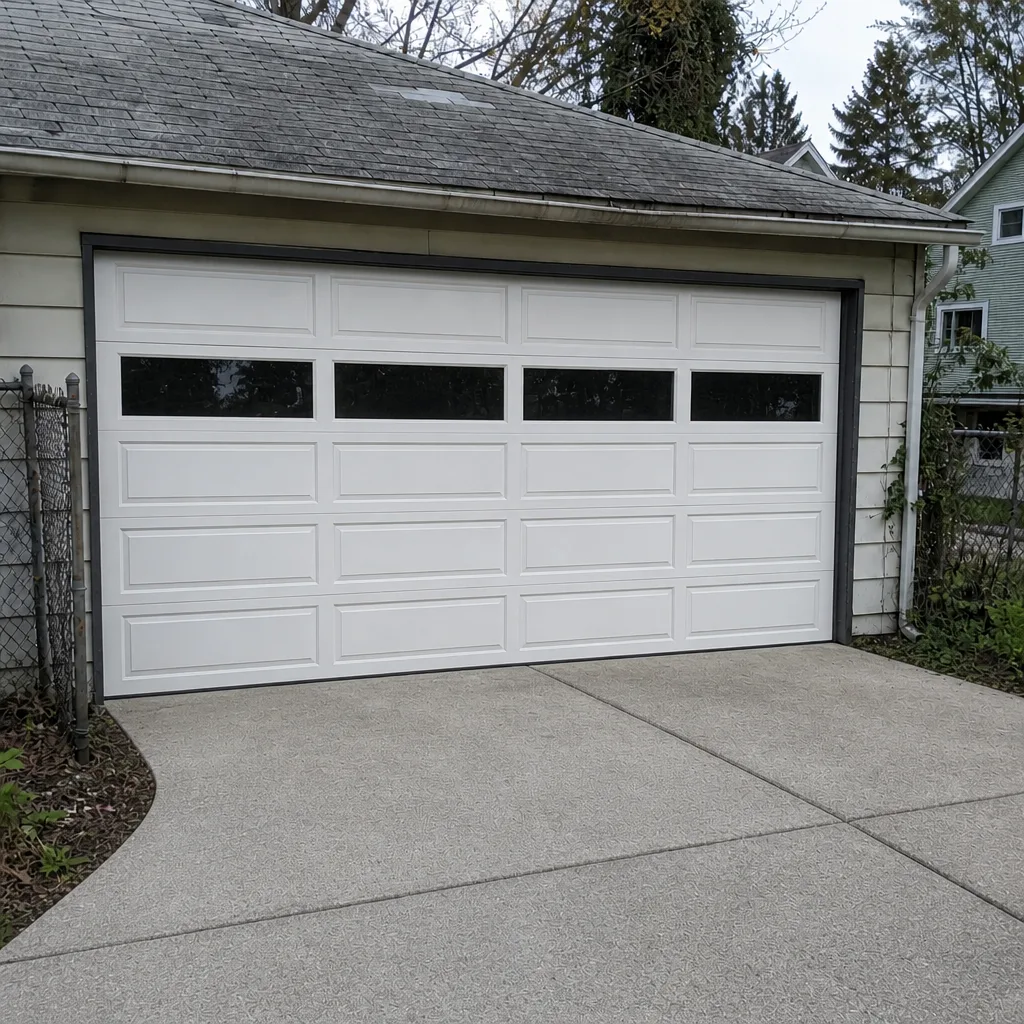 After
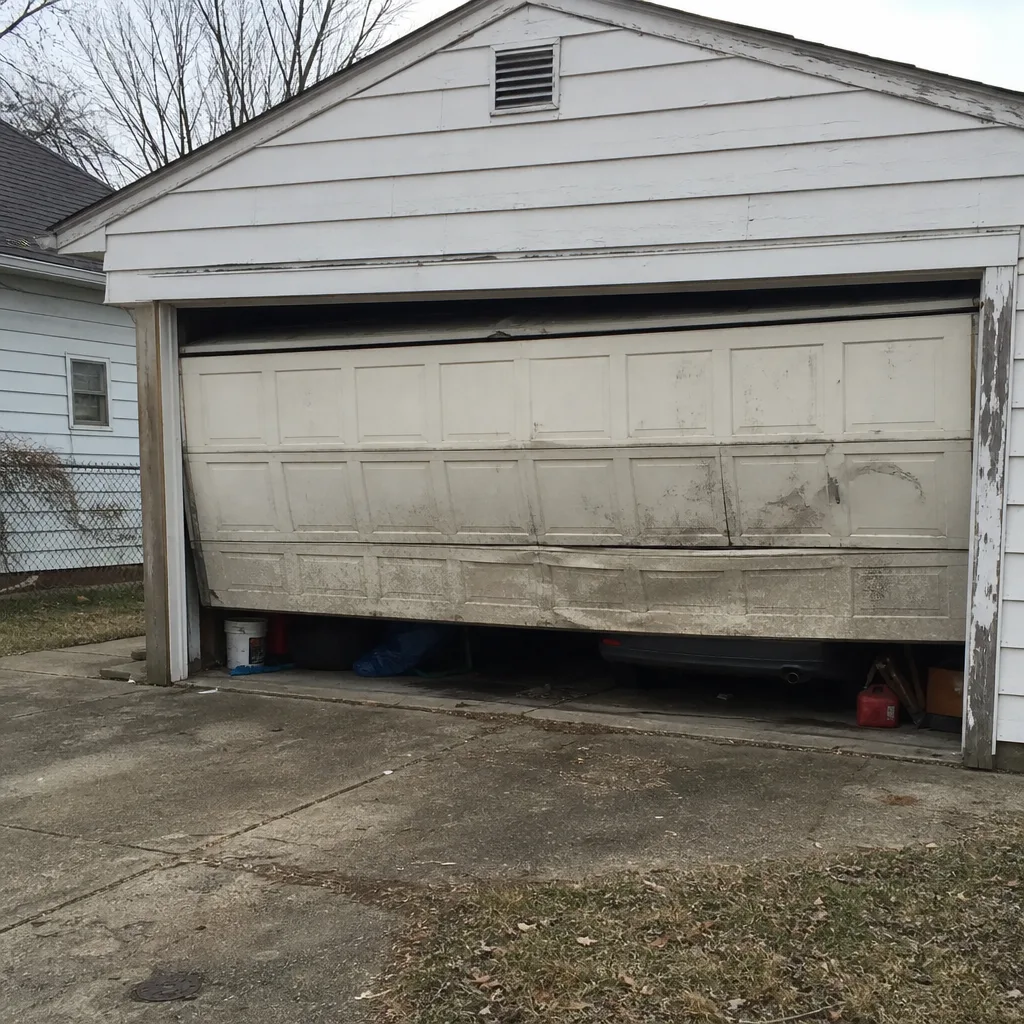 Before
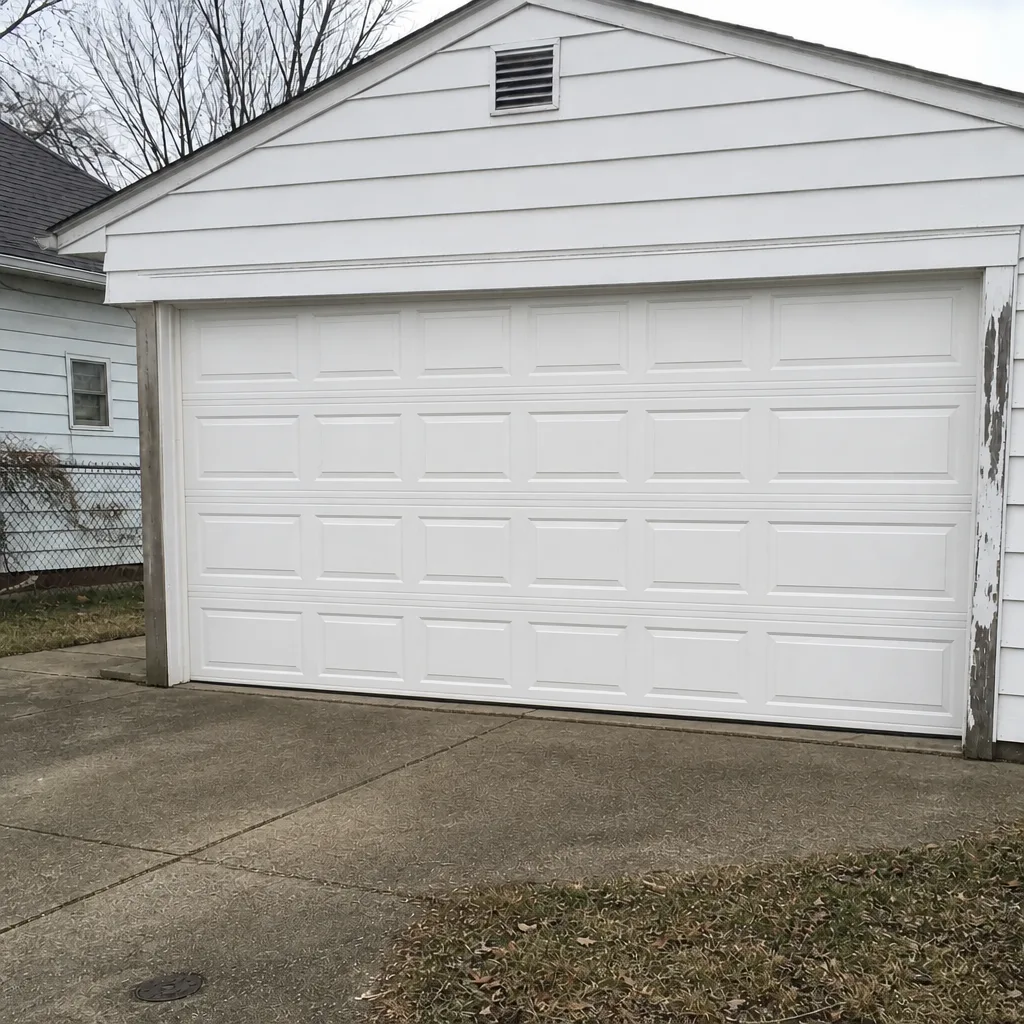 After
When to Call a Professional
Most seasonal care is homeowner-friendly. A few situations are not, and they’re worth naming clearly. Call a professional if the door won’t hold halfway when lifted by hand, if you see a gap in a torsion spring or a snapped cable, if the door is off track, or if the opener reverses for no reason or fails to close. Any door stuck open is a security and safety matter, and a door that drops suddenly is a hazard to anyone under it. Spring and cable work is always a professional job – not a maybe. For anything in that list, we’re here. Garage Door Repair Collinwood offers free estimates in Collinwood – call (844) 919-4174. We answer 24/7. Fast dispatch from 7am to 7pm, Sunday through Friday. The price is quoted and agreed before any work starts.
Frequently Asked Questions
The best time is late October through mid-November, before the first hard freeze. That window lets you replace weatherstripping and bottom seals while the rubber is still pliable, lubricate everything before the cold, and catch spring or track issues before freeze-thaw cycling starts the winter damage cycle. A spring inspection in March then catches anything the winter left behind.
Yes – the annual spring inspection matters more here than in milder climates because Collinwood’s freeze-thaw cycles stress torsion spring metal every winter. Spring steel that’s nearing the end of its life tends to fail in the coldest part of the year. An annual inspection catches fatigue before it becomes a snapped spring with a door you can’t open. Call (844) 919-4174 for an exact quote on spring service – estimates are free.
Pricing is set per job by a written estimate after we see the door and the spring setup. We won’t quote a number before looking, and the written estimate is the price – it doesn’t change once the work is agreed. Call (844) 919-4174 for an exact quote; estimates are free.
Yes. We service eight of the most widely installed residential brands, including Wayne Dalton, Craftsman, Amarr, Raynor, LiftMaster, Chamberlain, Genie, and Clopay. That means a technician arrives familiar with your exact system and the parts it needs, so seasonal care and repairs go faster and fit right the first time.
Not always. A door that won’t close in cold Collinwood weather is often a frozen bottom seal, ice in the tracks, or an opener force setting that’s drifted with temperature. But if the door feels heavy or drops when you lift it by hand, treat it as a spring issue and call a professional rather than operating it. Call (844) 919-4174 and we’ll diagnose it – the price is agreed before any work starts.
Salt tracked into the garage attacks your bottom seal and the lower panels first. On aluminum frames it causes pitting and corrosion at the seams; on steel it works into paint chips and starts rust. Rinsing the bottom sections a couple of times through the winter and touching up chips in the fall keeps the damage small. Inspect the seal and lower panels each March.
Yes, emergency garage door service is part of what we do, for doors stuck open, stuck down, or posing a security risk. We answer 24/7. A call outside dispatch hours is booked into the next opening, Sunday through Friday, 7am to 7pm.
The Bottom Line
Seasonal care in Collinwood comes down to timing. The bulk of winter damage happens in the six weeks from late November to January, so your November checklist is the highest-value work of the year – seal and weatherstrip checks, lubrication, a manual balance test, and a professional look at anything spring-related. Winter is for observation, spring is for triage, and summer is for moisture checks on wood and composite panels. Match the care to your door’s brand and material, keep salt and rust in check, and leave spring and cable work to a trained professional. If anything looks off, call (844) 919-4174 for a free estimate. We answer 24/7. Fast dispatch from 7am to 7pm, Sunday through Friday. Your door, diagnosed and fixed in one visit – or replaced when it’s past saving – from a team that works on garage doors every day.
Written by the team at Garage Door Repair Collinwood.